

The Ingredient Files
Hyaluronic acid, the hydration workhorse.
It is the most named hydrator in skincare and the most misunderstood. Here is what hyaluronic acid does, what molecular weight actually changes, and why it needs something over the top of it to be worth anything at all.
1000x
Water hyaluronic acid can bind relative to its own weight
50%
Share of the body's total hyaluronic acid that sits in the skin
50 kDa
The rough line below which hyaluronic acid is described as low molecular weight
A sugar chain that holds water.
Hyaluronic acid is a glycosaminoglycan, a long sugar chain that occurs naturally in skin, connective tissue and the eye. Its job in the body is unglamorous and important. It holds water in place so tissue stays lubricated and pliable.
Roughly half of the hyaluronic acid in the human body is found in skin. That amount falls with age, and the literature links the decline to the dryness, the loss of plumpness and the flatter look that comes with it (Papakonstantinou et al., 2012).
Applied topically it works as a humectant. It draws water to the upper layers of skin and holds it there, which is why a good hyaluronic acid serum reads as an immediate change in how skin looks rather than a slow one (Fallacara et al., 2018). It is also well tolerated, with a low rate of reaction, which is part of why it appears in almost every category of product now made (Bukhari et al., 2018).

Hydration, and the look that follows it.
Hyaluronic acid is one of the more heavily studied cosmetic ingredients there is. Published work has examined how topical application affects skin hydration, the look of elasticity and the appearance of fine lines over weeks of use (Papakonstantinou et al., 2012; Bukhari et al., 2018).
Work has also looked at how it behaves alongside the skin's own barrier, and at tolerance across skin types (Necas et al., 2008). None of this makes it a corrective ingredient. It is a hydrator, and the visible payoff is the one hydration gives you. Skin that looks fuller, less crepey in the fine areas, and less dull.
What the research does not support is the idea that more is better. A high concentration on dry skin in dry air is not a stronger serum. It is a serum with nothing to hold on to.

One name, several different molecules.
Hyaluronic acid on an ingredient list tells you very little on its own. The molecule is made in a range of sizes, and the size changes the behaviour. Larger chains sit on the surface and hold water at the top of the skin, which is what gives that immediate smooth, cushioned look. Smaller fragments sit further into the upper layers and hydrate less visibly but more durably (Witting et al., 2015).
A formula that uses only one weight does one of those two things. A formula that uses several does both, which is the reason serious hydration products list hyaluronic acid, sodium hyaluronate and a hydrolysed fraction rather than a single entry.
There is one practical rule that matters more than any of this. A humectant needs something occlusive above it, or the water it gathered leaves. That is the whole argument for pairing it with ceramides, and the reason a hyaluronic acid serum applied to dry skin under nothing else can leave skin feeling tighter than before. Apply it to damp skin. Seal it with a cream. If you want the longer version of that comparison, we wrote one on snail mucin versus hyaluronic acid.

A humectant gathers water. Something else has to keep it.
They are not the same ingredient in different clothing.
Most hydrating formulas use two or three humectants together, because each one behaves differently in air, in heat and under an occlusive. This is the short version of who does what.
| Humectant | How it behaves | Best paired with |
|---|---|---|
| Hyaluronic acid | Binds a large volume of water, fast, mostly near the surface | A cream or balm layered over the top |
| Glycerin | Smaller, steadier, less dependent on humidity in the air | Almost anything, which is why it is in almost everything |
| Snail secretion filtrate | A mixed complex that hydrates and leaves a soft film | Skin that looks dehydrated and feels rough |
| Panthenol | Holds water and supports a comfortable, calm feel | Skin that stings after cleansing |
Hyaluronic acid is the fastest of the four and the most dependent on what you do next. That is not a flaw. It simply means the serum is one step, not the routine.
Three formulas, three different reasons.
Hyaluronic acid sits in the cleanse step, the serum step and the cream step, working alongside niacinamide, Ayurvedic botanicals and peptides.
This is where hyaluronic acid does its most obvious work, because it has somewhere to go. The cream holds it under an occlusive layer instead of leaving it exposed to dry air. Silky, clean finish, no film.
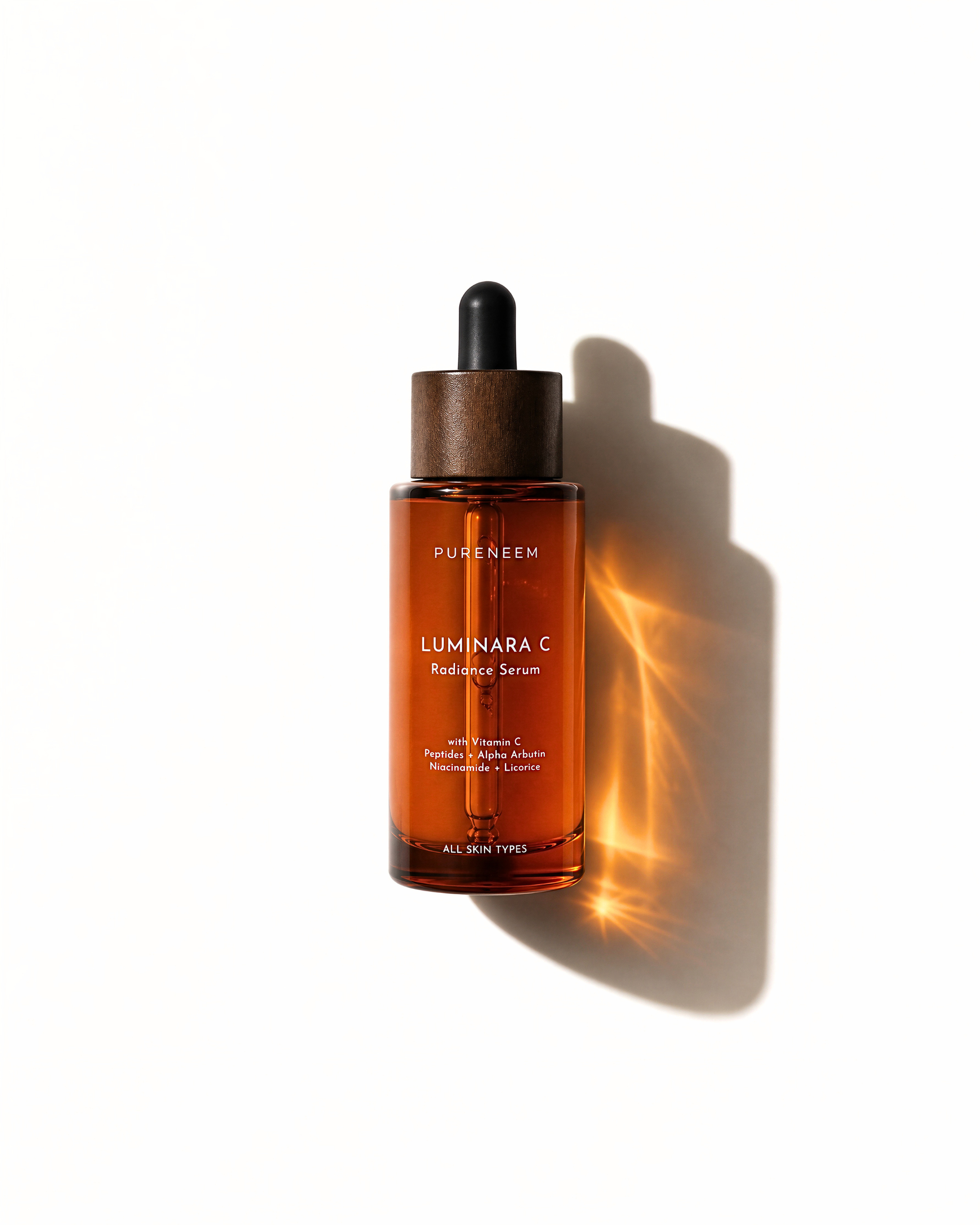
Radiance formulas can read as drying if they are built on actives alone. The hyaluronic acid here is the counterweight, keeping the serum comfortable enough to use every morning.
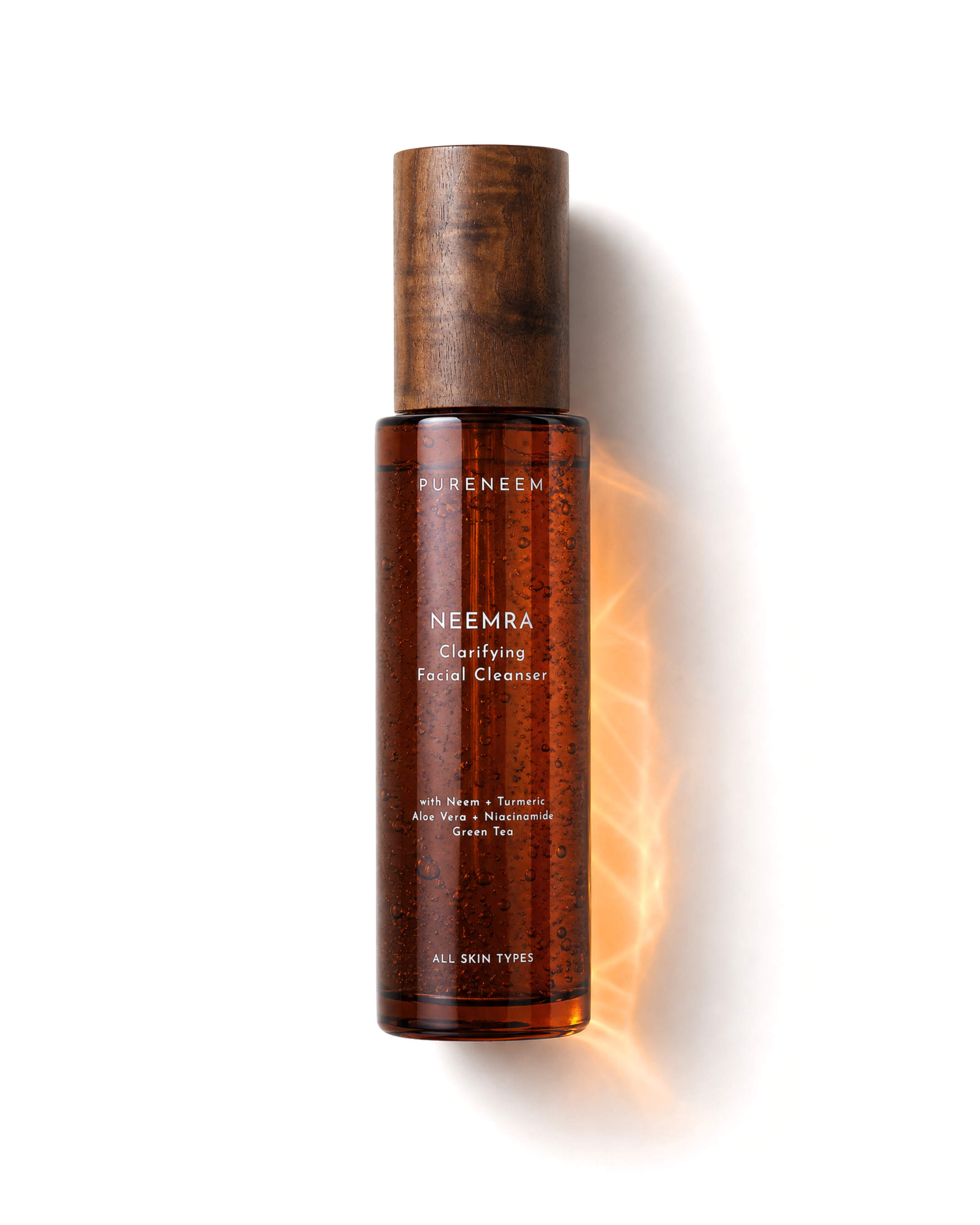
A cleanser that strips undoes the rest of the routine. Hyaluronic acid is in this one so skin reads soft and comfortable straight out of the basin rather than tight.
If hyaluronic acid alone has not been enough
A lot of people describe the same thing. The serum works for an hour and skin is flat again by mid afternoon. Usually that is a humectant with nothing holding it, and the fix is the layer above it rather than a stronger serum.
Snail secretion filtrate is the other route people take, because it hydrates and leaves a soft film in one step. Our guide to snail mucin skincare in Australia covers how the two compare in practice and what to look for on a label.
Common questions
Hyaluronic acid, answered plainly.
Can hyaluronic acid dry out your skin?
Indirectly, yes. In dry air, a humectant with nothing sealed over it can lose the water it gathered, and skin can end up feeling tighter than it did. Apply it to damp skin and follow with a moisturiser. That single change resolves most complaints about it.
What percentage of hyaluronic acid should a serum have?
Most well made serums sit around 1 to 2 percent, because the molecule is extremely efficient at binding water and higher figures mainly change the texture. The mix of molecular weights matters more than the number on the box.
Is sodium hyaluronate the same as hyaluronic acid?
Close enough for most purposes. Sodium hyaluronate is the salt form, it is more stable in a formula and it tends to be smaller. Seeing both on a label is usually a sign the formulator wanted more than one molecular weight.
Can you use hyaluronic acid with retinol or vitamin C?
Yes. It is a humectant, not an active, so it does not compete with anything. It is commonly used underneath both, and it makes a retinol routine noticeably more comfortable in the first few weeks.
How long before you see a difference?
Surface hydration shows up almost immediately, often within minutes. The look of texture and fine lines is a longer arc, and most published work on that runs over several weeks of consistent use.
References
- Bukhari, S. N. A., Roswandi, N. L., Waqas, M., Habib, H., Hussain, F., Khan, S., and Sohail, M. (2018). Hyaluronic acid, a promising skin rejuvenating biomedicine. International Journal of Biological Macromolecules, 120, 1682 to 1695.
- Fallacara, A., Baldini, E., Manfredini, S., and Vertuani, S. (2018). Hyaluronic acid in the third millennium. Polymers, 10(7), 701.
- Necas, J., Bartosikova, L., Brauner, P., and Kolar, J. (2008). Hyaluronic acid (hyaluronan): a review. Veterinarni Medicina, 53(8), 397 to 411.
- Papakonstantinou, E., Roth, M., and Karakiulakis, G. (2012). Hyaluronic acid: a key molecule in skin aging. Dermato-endocrinology, 4(3), 253 to 258.
- Witting, M., Boreham, A., Brodwolf, R., Vavrova, K., and Alexiev, U. (2015). Hydration and skin barrier protection of hyaluronic acid micro and nanoparticles. European Journal of Pharmaceutics and Biopharmaceutics, 94, 312 to 320.
Hyaluronic Powered Products