



Green Tea — The EGCG Powerhouse, Decoded
Drunk in China and Japan for over four thousand years — Camellia sinensis is the source of EGCG, an antioxidant catechin documented to outperform vitamins C and E against specific UV-induced free radicals. Australian skin's structural defence.
The Four Mechanisms Behind EGCG's Reputation
Each action documented in over a decade of peer-reviewed dermatological research.
Epigallocatechin gallate — the dominant catechin in green tea — is among the most researched antioxidants in dermatology.
Protects against UV-induced collagen breakdown — particularly relevant for Australian sun exposure.
Reduces visible redness and surface inflammation in reactive, rosacea-prone complexions.
Active against C. acnes — the bacterial driver behind inflammatory breakouts.
Explore the Green Tea Collection
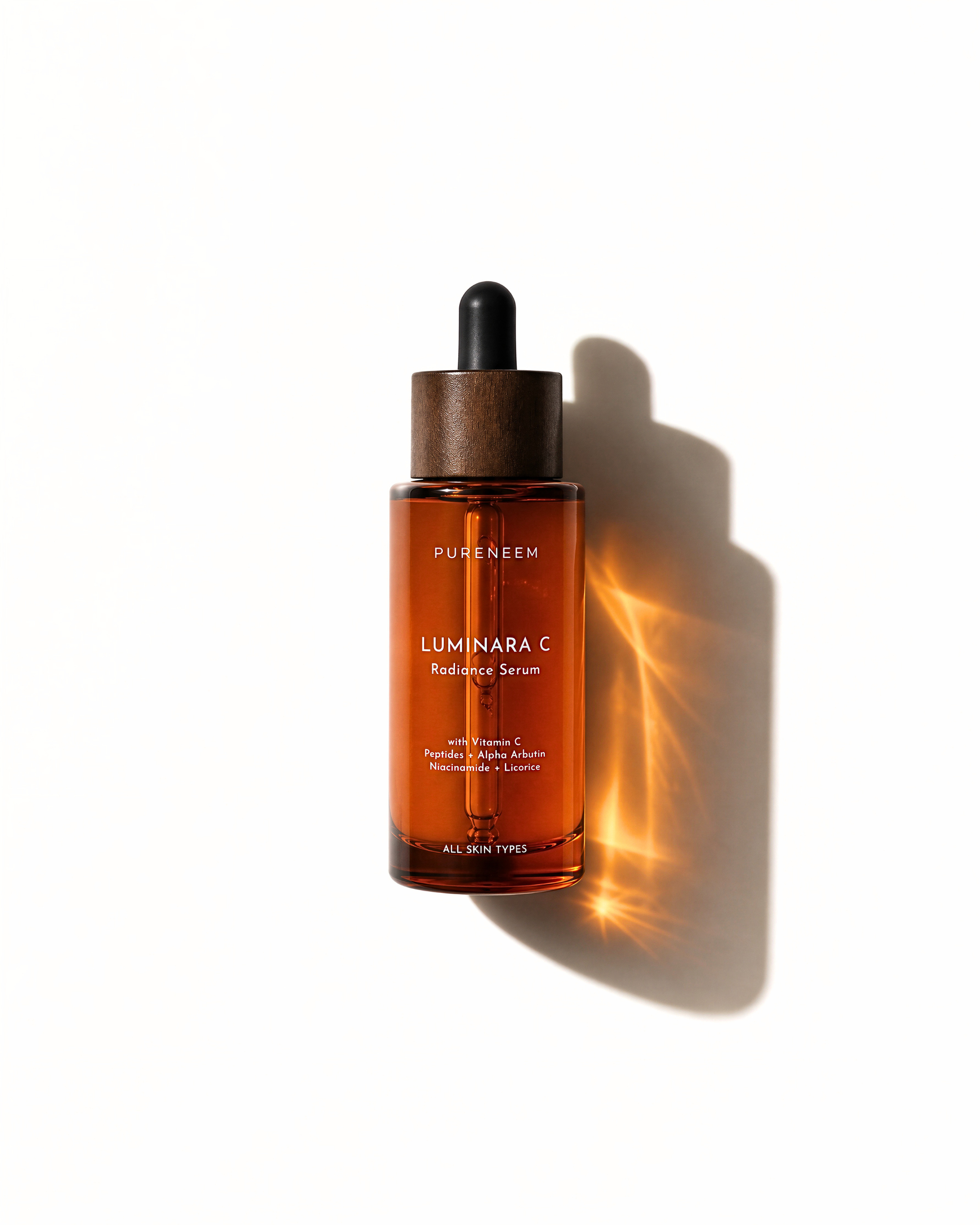
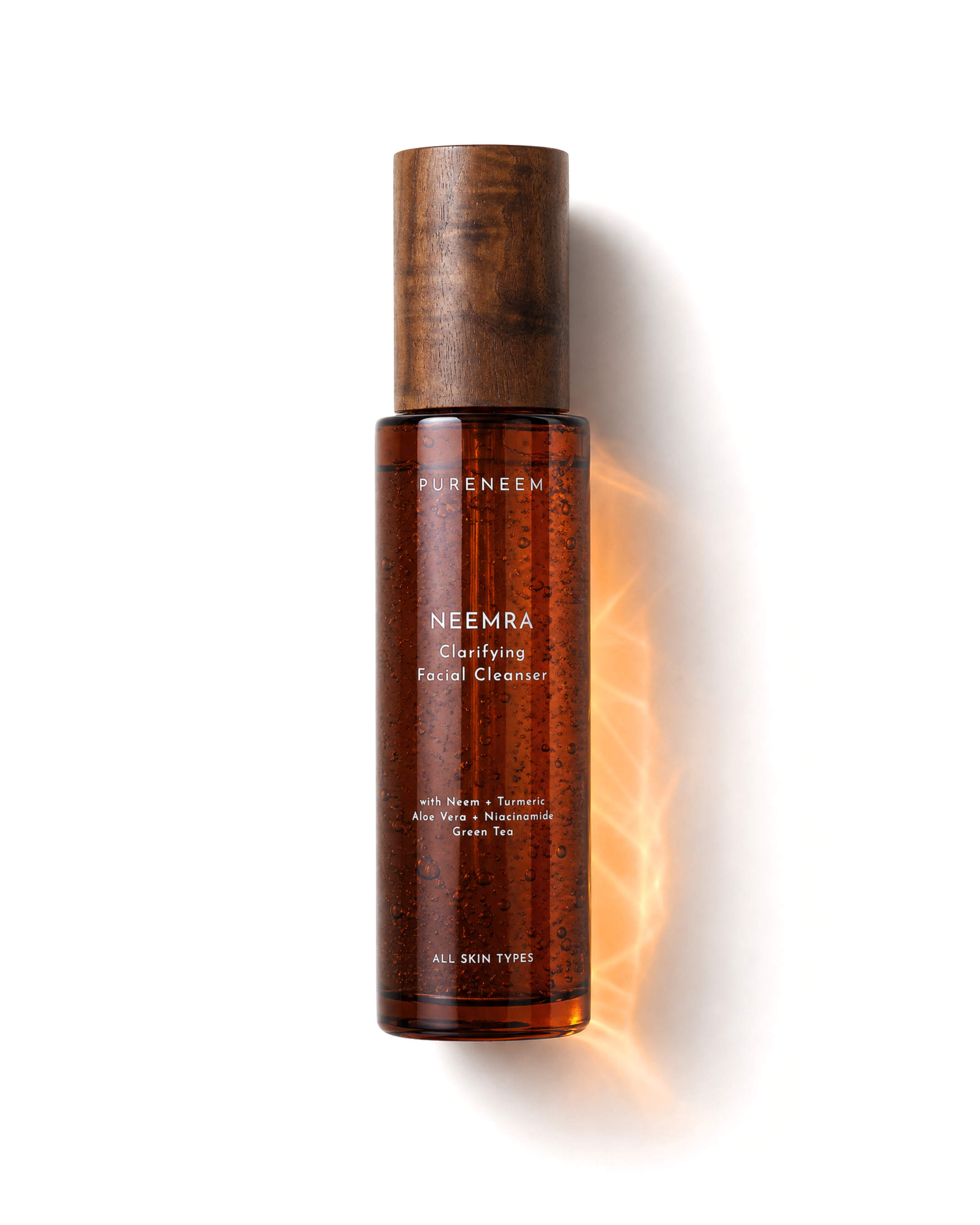
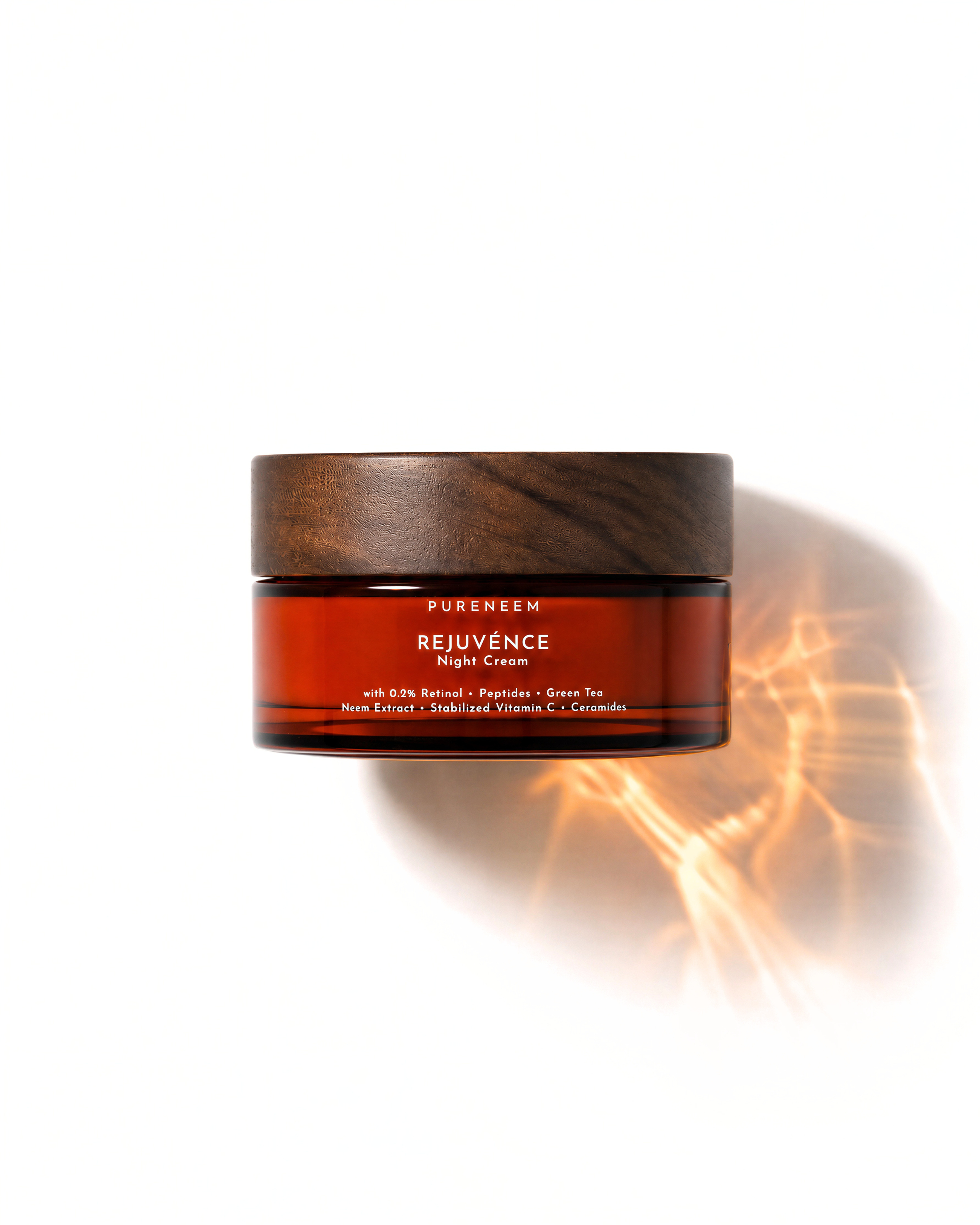
PureNeem formulations built around Camellia sinensis leaf extract — calibrated for antioxidant defence, anti-photoageing protection, and clearer complexion across cleansing, brightening, and overnight repair.



Why EGCG Outranks Vitamin C
For specific UV-induced free radicals, epigallocatechin gallate — the dominant catechin in green tea — has been documented to outperform both vitamin C and vitamin E. The case for Camellia sinensis in modern Australian skincare, decoded.
Read the Green Tea Journal →


