

The Ingredient Files
Green tea, and the case for antioxidants.
Camellia sinensis is the most studied plant in cosmetic antioxidant research, and the reason is a single molecule with an awkward name. Here is what EGCG is, what the published work examined, and why green tea sits in three of our formulas rather than all seven.
30%
Share of a green tea leaf's dry weight made up of catechins
4
Main catechins in the leaf, of which EGCG is by far the most abundant
3
PureNeem formulas built with camellia sinensis leaf extract
Unoxidised leaves, and one molecule.
Green tea and black tea come from the same plant. The difference is oxidation. Green tea leaves are steamed or pan fired soon after picking, which stops the enzymes that would otherwise convert the catechins into the darker compounds of black tea.
Those catechins are the point. They make up around a third of the dry leaf, and the dominant one is epigallocatechin gallate, shortened everywhere to EGCG (Katiyar and Elmets, 2001). Alongside it sit caffeine, theanine, tannins and a range of minor polyphenols.
In a formula, the practical questions are concentration and stability. Polyphenols oxidise readily, so a green tea extract needs sensible packaging and a formula built around it. An extract that has gone brown in a clear bottle is decoration rather than an active.

A long literature, read carefully.
Green tea polyphenols have been studied in skin science since the early nineties. Published work has examined how topically applied polyphenols behave on skin exposed to ultraviolet light, in both animal and human studies (Elmets et al., 2001; Katiyar, 2003).
A separate line of research looked at oil. A controlled study of a five percent green tea extract examined its effect on sebum measurements over several weeks (Draelos et al., 2006), and later work revisited the same question in topical formulations (Yoon et al., 2013).
Worth being precise about what that supports. Green tea is an antioxidant that helps defend the skin surface against oxidative stress from daylight and pollution, and there is credible work on how it affects oil measurements. It is not a sunscreen, and nothing here replaces one.

Antioxidants work in networks.
No single antioxidant covers the whole job. They quench different species, sit in different parts of the formula, and support each other when they are used together, which is why serious antioxidant formulas are built as a network rather than a single hero.
Green tea is a good network member. It is water soluble, so it works where an oil soluble antioxidant like vitamin E cannot, and it pairs naturally with a stable vitamin C derivative. In a clarifying formula it sits comfortably beside neem, and next to a humectant such as panthenol it keeps an oil controlling product from feeling stripping.

One antioxidant is a claim. Several working together is a formula.
Who covers what.
Antioxidants are sold as interchangeable and are nothing of the sort. This is the shortest honest version.
| Ingredient | Where it works | What it is best at |
|---|---|---|
| Green tea polyphenols | Water phase, surface and upper layers | Broad daily defence against environmental stress |
| Ethyl ascorbic acid | Water phase, stable at skin pH | Targeting the look of uneven tone over weeks |
| Vitamin E | Oil phase and the lipid layers | Protecting the oils in the formula and on the skin |
| Niacinamide | Water phase, works over a longer horizon | Barrier support and the look of visible pores |
Used together these cover more ground than any of them manages alone. That is the whole argument for a layered morning routine, and the reason a serum with one antioxidant in it is usually underbuilt.
Three formulas, two shown here.
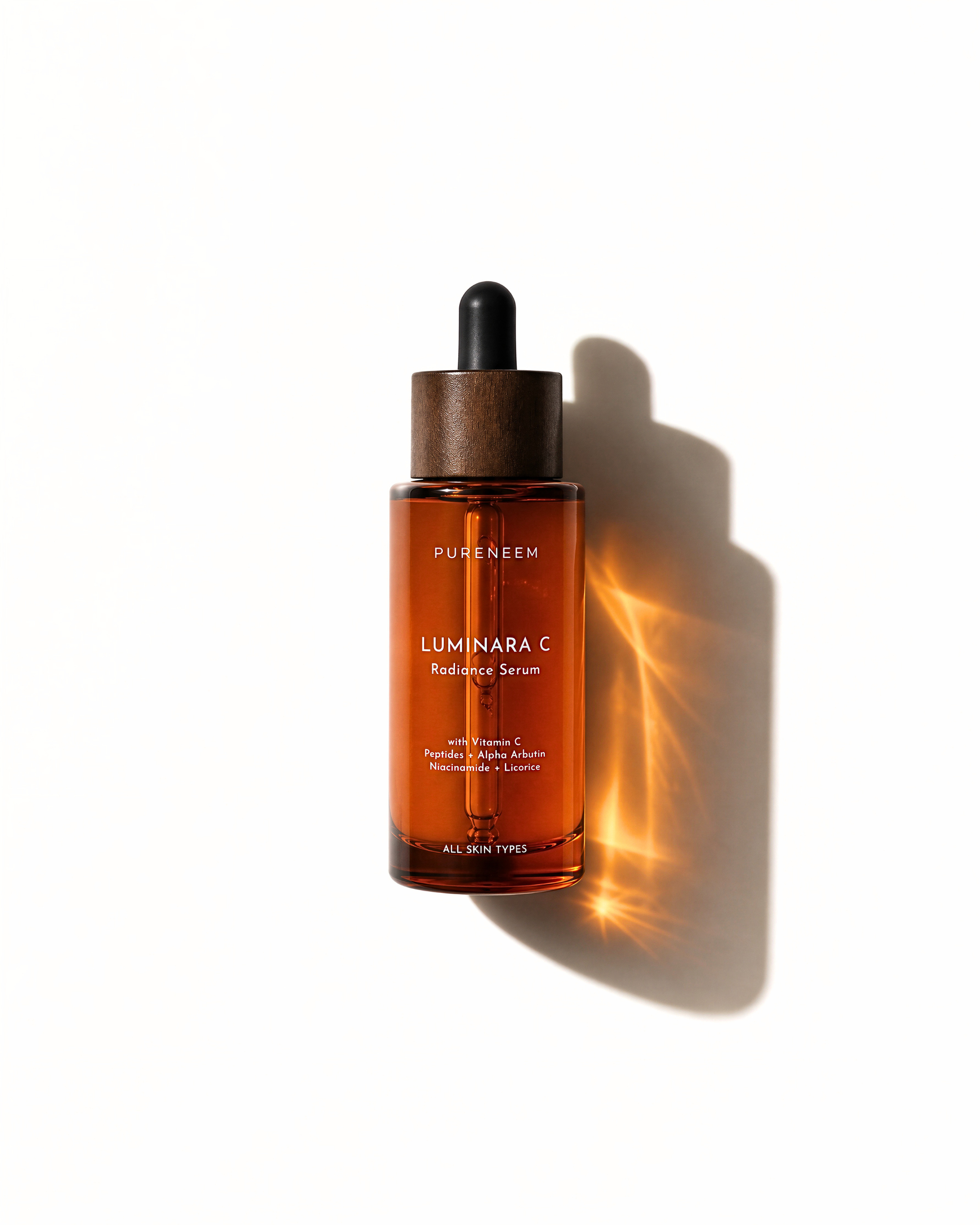
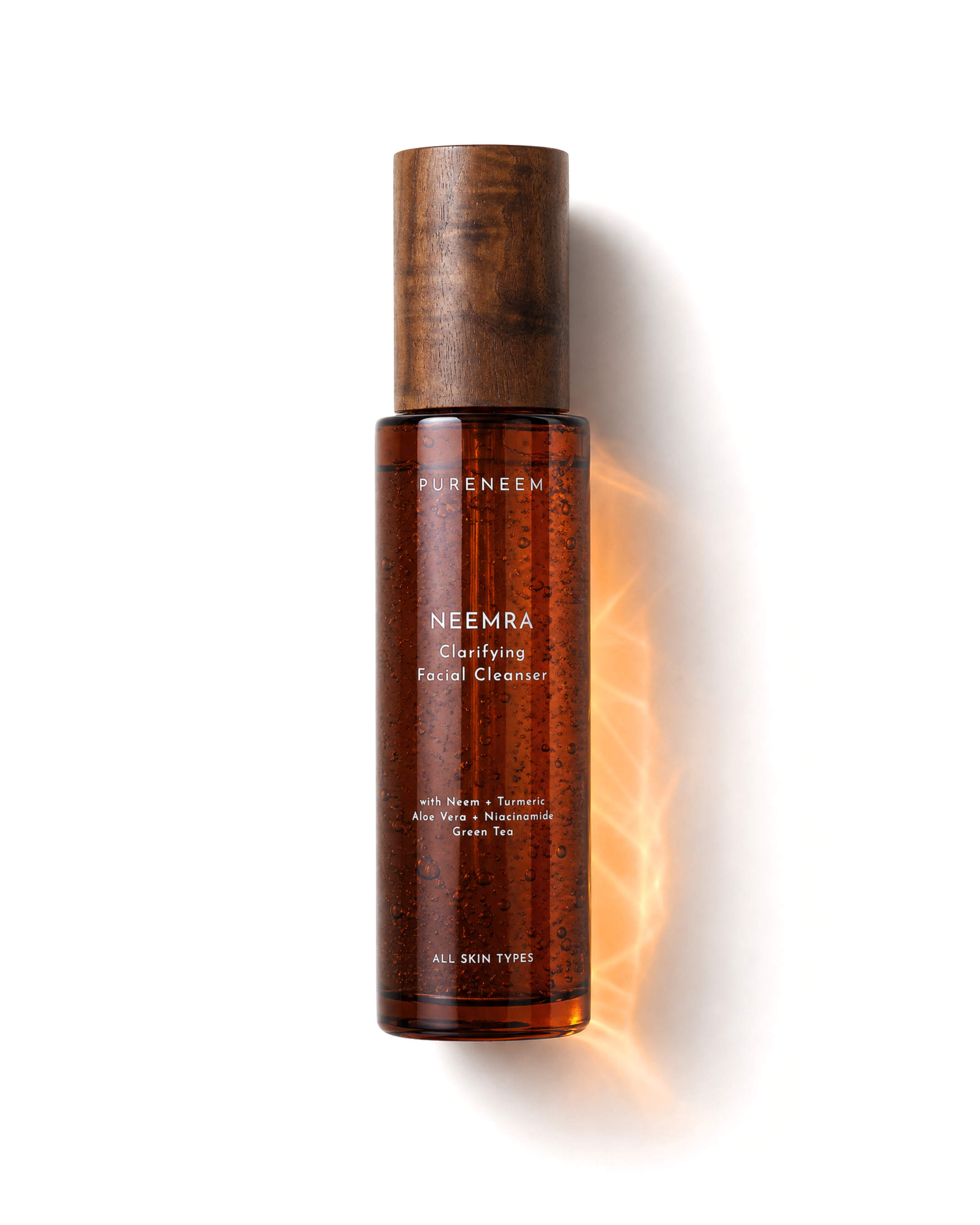
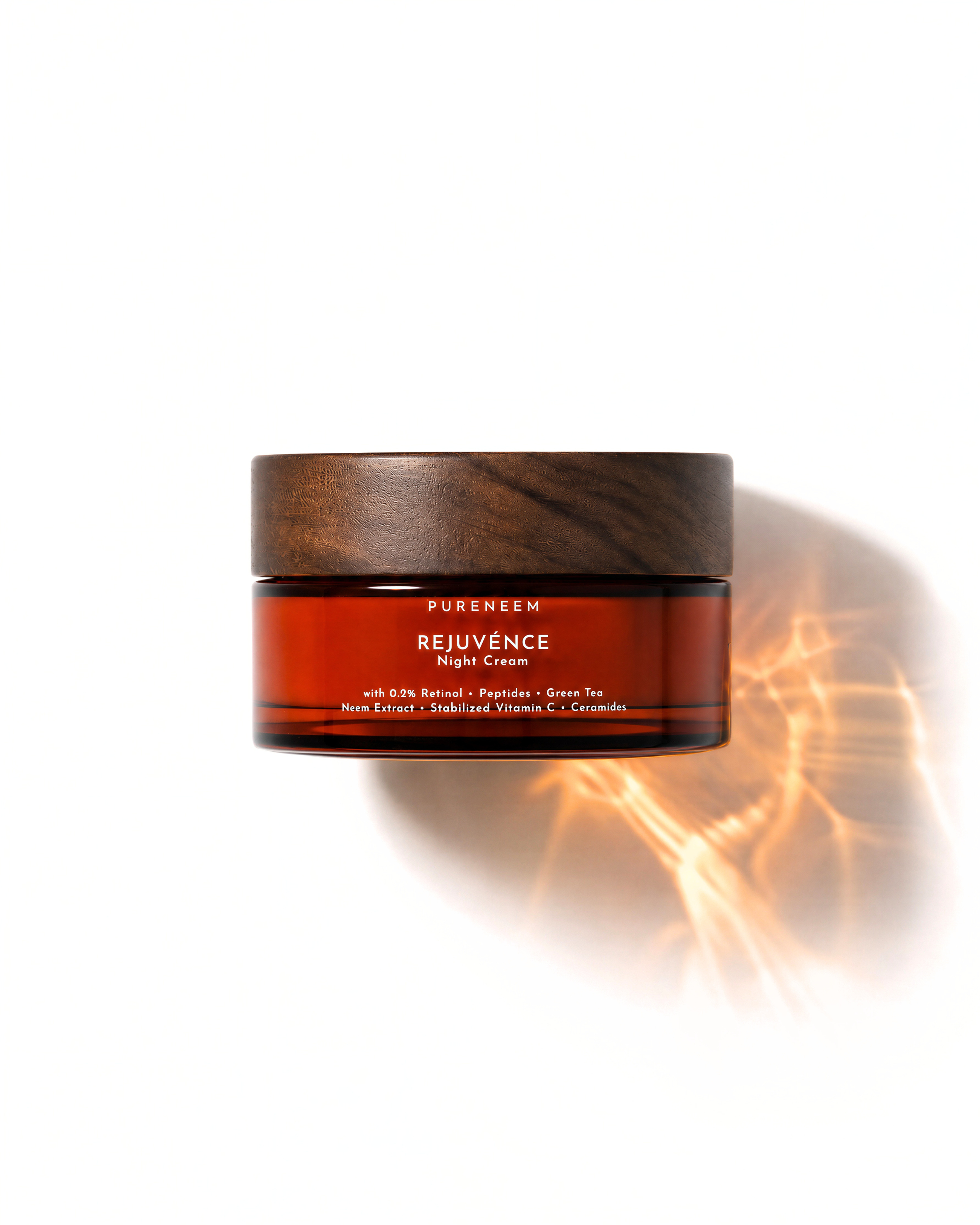
Green tea is in the Neemra cleanser, the Luminara C serum and the Rejuvence night cream. These two are where it does the most visible work.
A clarifying cleanser has to manage oil without stripping the barrier, which is a balance most of them lose. Green tea is here on the oil side of that equation, alongside neem, so the formula can stay gentle enough for daily use.
This is the network argument in practice. Green tea polyphenols sit alongside a stable vitamin C derivative and licorice root, so the morning antioxidant layer covers more than one pathway rather than leaning on a single ingredient.
A practical note on your morning layer
Antioxidants belong in the morning, under sunscreen, because that is when the oxidative load arrives. Green tea on its own is a reasonable start. Green tea alongside a stable vitamin C derivative is a considerably better one.
If you are choosing a serum, our guide to the best vitamin C serum in Australia explains which derivatives stay stable in Australian conditions and what to look for on the label.
Common questions
Green tea, answered plainly.
What does green tea do for your skin?
Topically it acts as an antioxidant, helping defend the skin surface against oxidative stress from daylight and pollution. Published work has also examined its effect on sebum measurements, which is why it turns up in products aimed at oilier skin.
Is green tea extract better than drinking green tea?
For your skin specifically, topical application puts the polyphenols where you want them at a far higher local concentration. Drinking it is pleasant and has its own merits. It is not a substitute for a formulated topical antioxidant.
Can you use green tea with vitamin C?
Yes, and it is one of the more sensible pairings in a morning routine. They are both water soluble, they work on different parts of the oxidative problem, and there is no formulation conflict between them.
Does green tea help oily skin?
There is credible work here. Controlled studies have examined a topical green tea extract and measured sebum output over several weeks. In practical terms it suits oilier skin, though the texture of the whole product matters more than the extract alone.
Does green tea replace sunscreen?
No. An antioxidant works on a different mechanism from a sunscreen filter and offers no measured sun protection factor. Use both. The antioxidant layer goes underneath.
References
- Draelos, Z. D., Matsubara, A., Smiles, K. A., and Levy, S. B. (2006). The effect of 5% green tea extract on sebum production. Journal of Cosmetic and Laser Therapy, 8(1), 17 to 21.
- Elmets, C. A., Singh, D., Tubesing, K., Matsui, M. S., Katiyar, S., and Mukhtar, H. (2001). Cutaneous photoprotection by green tea: an animal study and a double blind human study. Journal of the American Academy of Dermatology, 44(3), 425 to 432.
- Katiyar, S. K. (2003). Skin photoprotection by green tea: antioxidant and immunomodulatory effects. Current Drug Targets, 3(3), 234 to 242.
- Katiyar, S. K., and Elmets, C. A. (2001). Green tea polyphenolic antioxidants and skin photoprotection. International Journal of Oncology, 18(6), 1307 to 1313.
- Yoon, J. Y., Choi, M. S., Park, J. S., Lee, J. S., and Shin, M. H. (2013). The effect of green tea topical formulations on sebum production. Journal of Investigative Dermatology Symposium Proceedings, 16(1), S69 to S70.
Purify & Protect with Green Tea