


What melanin does, and why dark spots form.
Melanin is your skin's built-in sunscreen. Specialised cells called melanocytes sit deep in the basal layer of your epidermis. When skin is exposed to UV radiation, hormones, or inflammation, melanocytes produce pigment granules called melanosomes — which then travel up through the skin layers to reach the surface. The pigment absorbs UV before it can damage deeper tissue. This is the system functioning correctly.
Hyperpigmentation occurs when this process becomes dysregulated. Melanocytes overproduce melanin in response to a trigger — sun, hormonal shift, post-inflammatory healing — and the resulting pigment doesn't fade evenly. The cells responsible may continue producing pigment long after the original trigger is gone. The result: dark spots, uneven tone, melasma patches, post-acne marks. The skin is doing its job. It's just doing it too aggressively, in concentrated areas, for too long.
Effective hyperpigmentation treatment isn't about bleaching pigment. It's about regulating the cellular machinery that produces it — at multiple points in the melanogenesis cascade simultaneously. — The PureNeem framework
The melanin production cascade has multiple regulatory points: tyrosinase activity (the enzyme that initiates melanin synthesis), melanocyte signalling (the messenger pathways that trigger production), oxidative stress (which amplifies pigmentation), and cellular turnover (which determines how fast existing pigment fades). Each of these points can be addressed by a different active. Single-active products address one. Multi-pathway protocols address several simultaneously — which is why fade is faster, more complete, and longer-lasting.
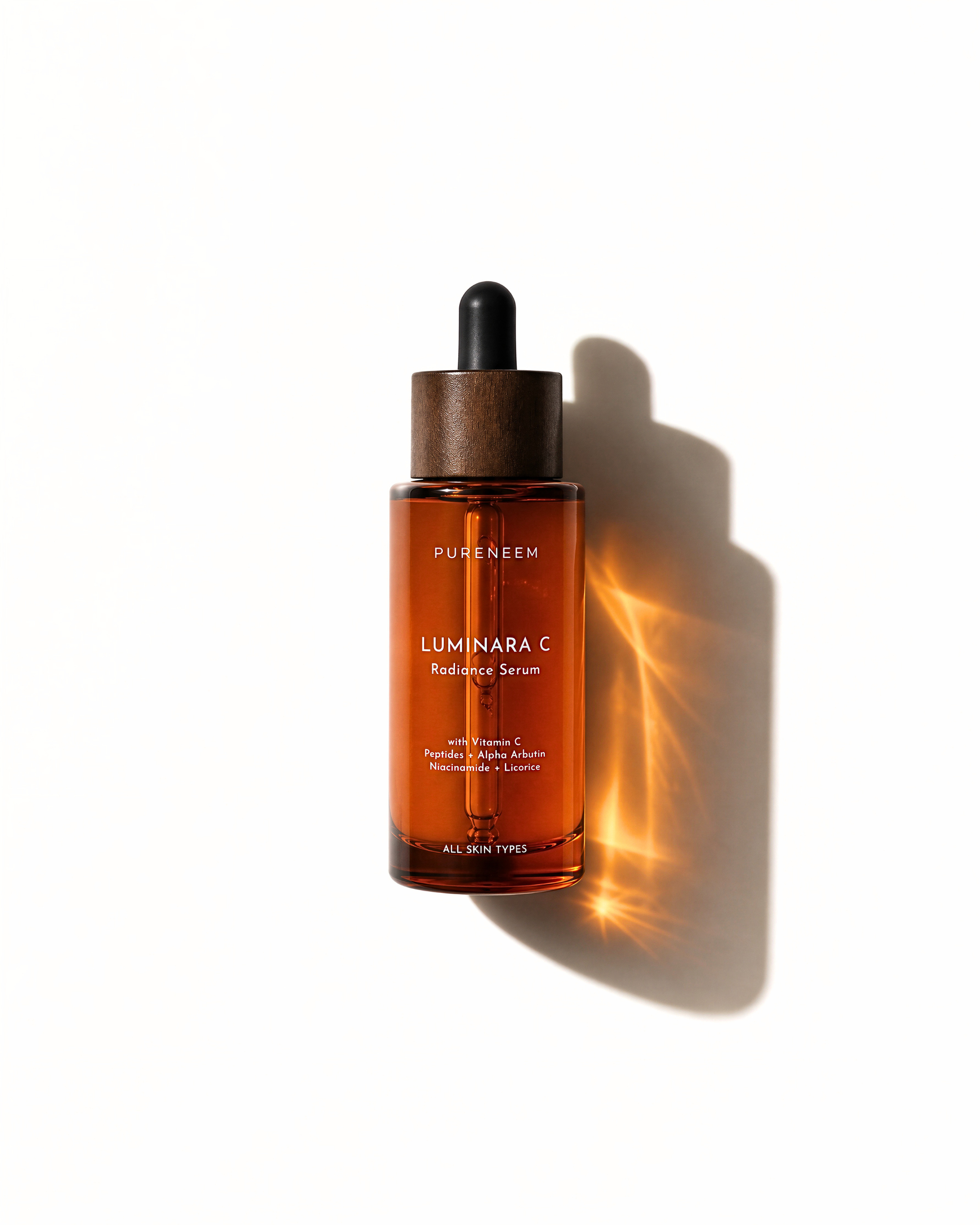
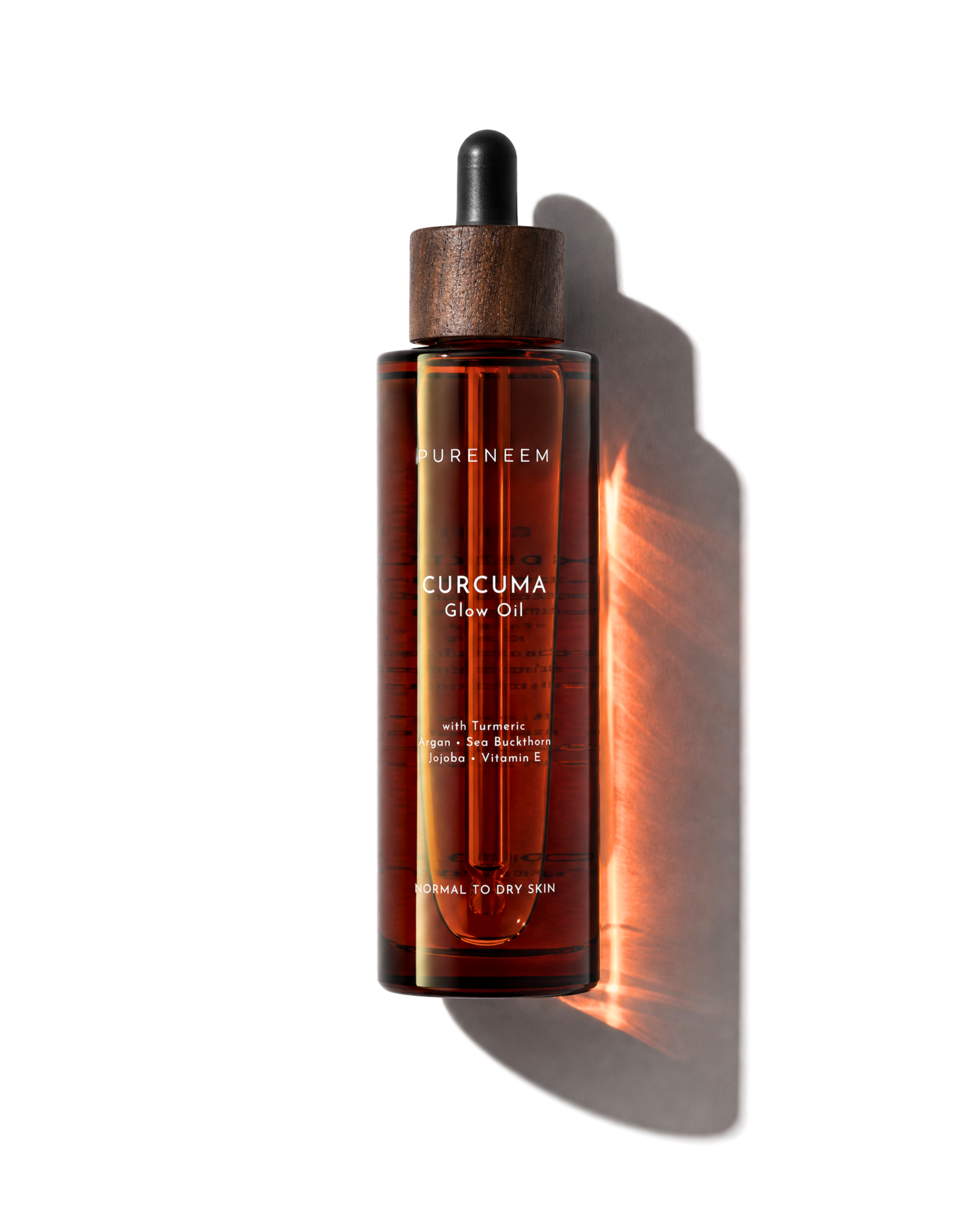
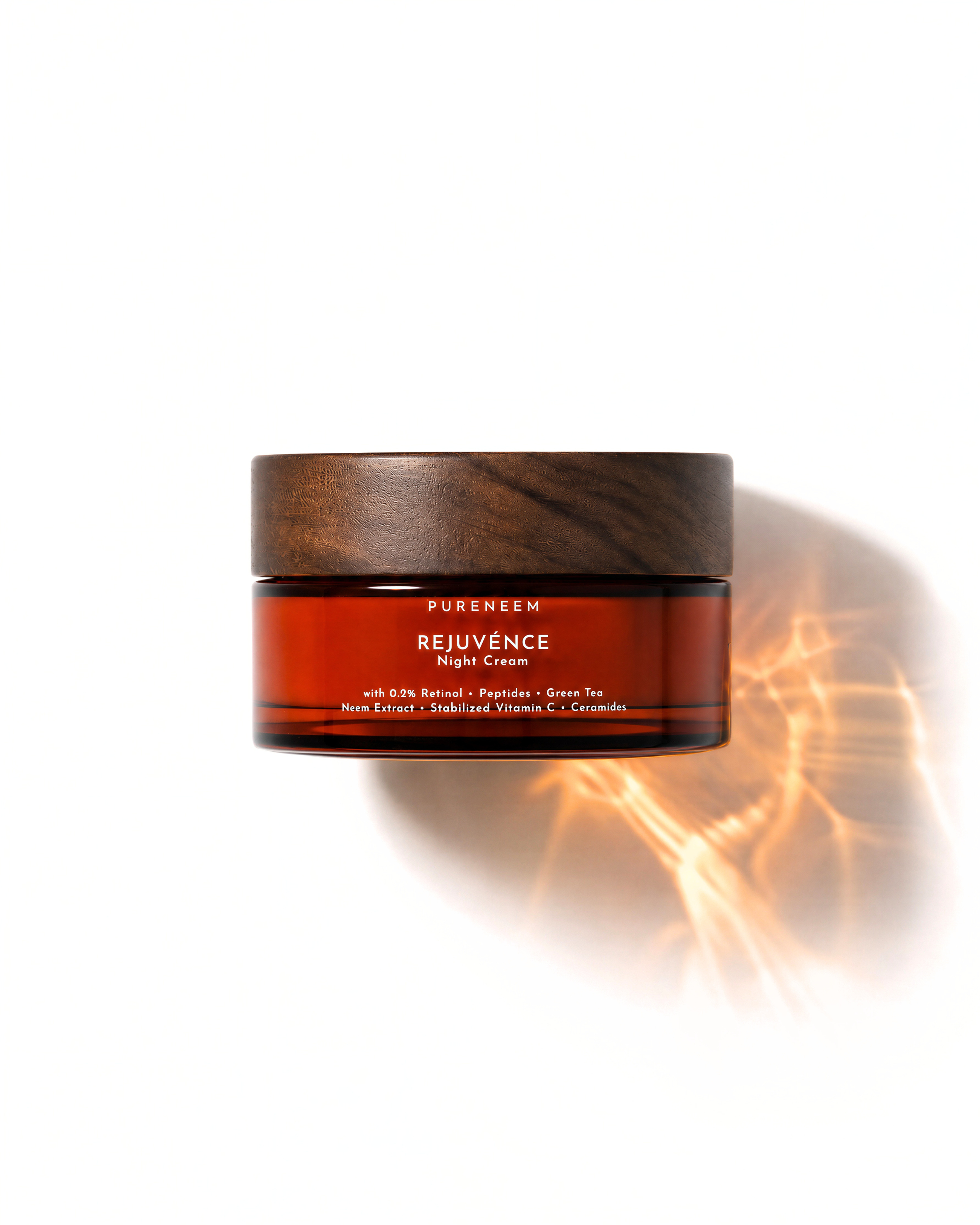
This is the principle behind the four-pathway protocol explained in this guide. Each named active in the protocol — Vitamin C, Niacinamide, Alpha Arbutin, Tetrapeptide-30 — targets a different mechanism. Combined with the supporting role of cellular renewal (Retinol overnight) and antioxidant defence (Ayurvedic botanicals), the system addresses every regulatory point in the cascade. The next sections walk through the types of hyperpigmentation, the four-pathway protocol, and the AM/PM routine that delivers it.