

The Ingredient Files
Centella asiatica, and what the triterpenoids do.
Gotu kola has been in Ayurvedic and Chinese practice for centuries, and in cosmetic chemistry for about fifty years. The modern interest comes down to four molecules in the leaf. Here is what they are and what the published work has actually examined.
4
Triterpenoid compounds that carry most of the cosmetic interest
2000
Years the leaf has been recorded in Ayurvedic and Chinese practice
1
PureNeem formula built with centella asiatica extract
A wetland weed with good chemistry.
Centella asiatica is a low growing plant that spreads through marshland across South and Southeast Asia. In Ayurveda it is gotu kola, in Korean skincare it is cica, and in a cosmetic ingredient list it is usually centella asiatica leaf extract.
The interesting fraction is a group of triterpenoid compounds: asiaticoside, madecassoside, asiatic acid and madecassic acid (Bylka et al., 2013). Standardised cosmetic extracts are titrated to a known level of these, which is the difference between an extract that performs consistently and one that is essentially green water.
That standardisation is worth looking for. Centella appears on a lot of ingredient lists at a level too low to matter, trading on the reputation of the research rather than delivering what the research used.

Comfort, hydration and the look of redness.
Centella is one of the better documented botanicals in cosmetic science. Reviews have catalogued its composition and its use in topical formulations across several decades of work (Bylka et al., 2013; Gohil et al., 2010).
The cosmetic literature has looked at how centella containing formulations affect skin hydration and how skin under stress responds to them, including after sun exposure and after strong actives (Bylka et al., 2014). Separate work has examined the antioxidant behaviour of asiaticoside (Shukla et al., 1999).
Translated into claims we are willing to make, centella helps support a calm, comfortable feel and helps reduce the appearance of redness. It is a good ingredient with a real evidence base and a marketing story that has run several kilometres ahead of it.

It gets on with everything.
Centella is unusually easy to formulate around. It is stable, it suits reactive skin, and it does not compete with the actives beside it, which is why it has become the default calming ingredient in barrier products.
It works best in company. Alongside a humectant like hyaluronic acid or snow mushroom it handles comfort while they handle water, and beside peptides it keeps a firming formula tolerable for skin that would otherwise react. On its own, in a thin gel, it is pleasant and not much more.

Calm is not a soft option. It is the condition everything else depends on.
What is actually in the extract.
Cosmetic centella is usually described by its triterpenoid content. These are the four that get named on a certificate of analysis.
| Compound | What it is | What the work examined |
|---|---|---|
| Asiaticoside | The most abundant glycoside in the leaf | Antioxidant behaviour and skin surface measures |
| Madecassoside | A closely related glycoside, often the largest fraction in modern extracts | The look of redness and skin comfort after stress |
| Asiatic acid | The aglycone form of asiaticoside | Permeation into the upper layers of the skin |
| Madecassic acid | The aglycone form of madecassoside | Studied as part of the titrated extract rather than alone |
You will sometimes see all four sold together as a titrated extract. That is the form most of the published work used, and the form worth paying for.
One formula, and a specific reason.
Centella is in a single PureNeem product. We do not put it in the rest of the range because the rest of the range does not need it, and a long ingredient list is not the same thing as a good one.
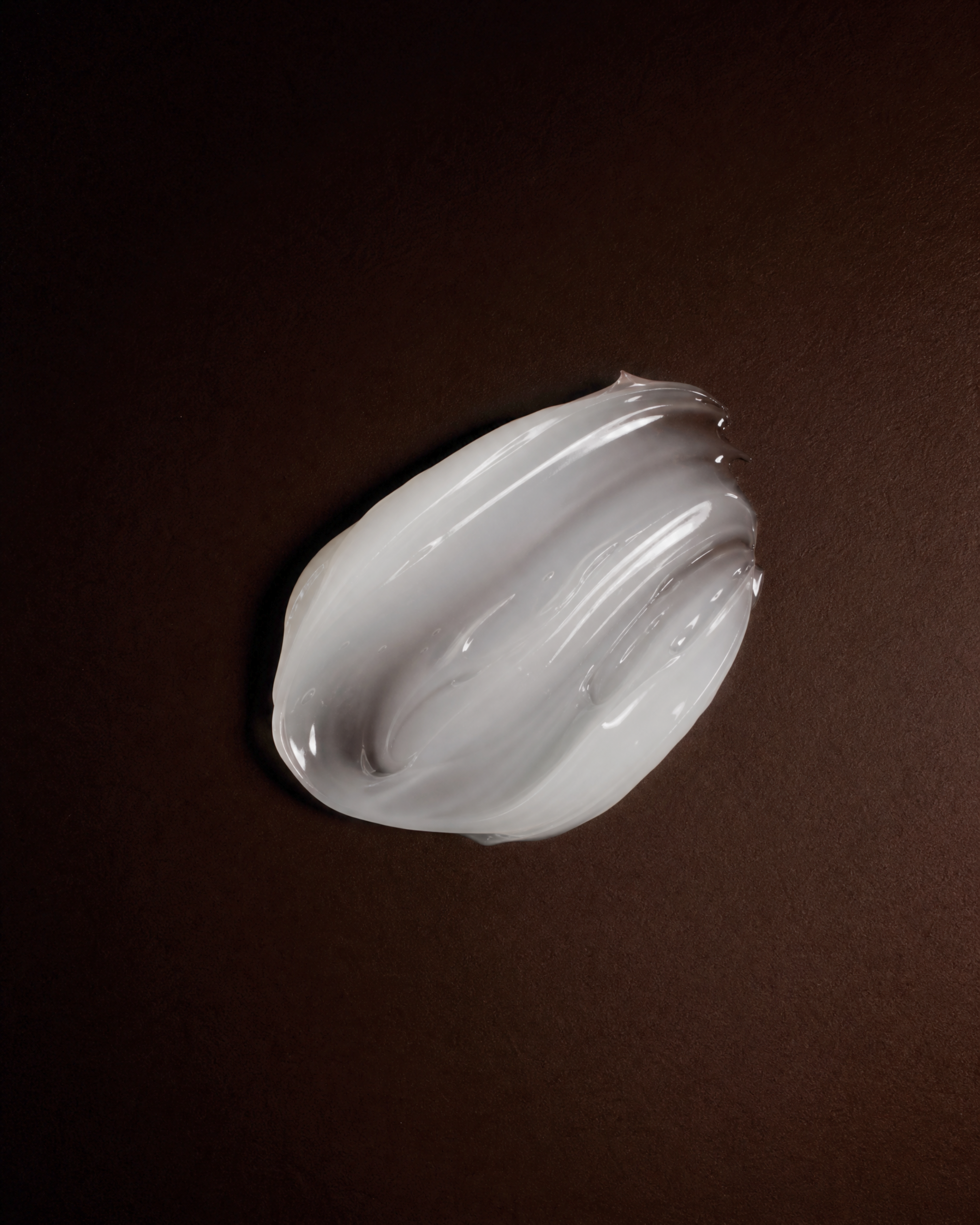
This is a heavily loaded hydration formula, and centella is the ingredient that keeps it comfortable. It sits alongside the humectants and the niacinamide to support a calm feel and help reduce the appearance of redness, so the cream suits skin that reacts to most things.
A practical note on choosing a calming hydrator
Centella, snail mucin and panthenol get recommended for the same problem, and they are not the same answer. Centella addresses how skin looks when it is reacting. Snail mucin addresses how much water sits in the upper layers. Most people buying one actually want both.
Our guide to the best snail mucin skincare in Australia works through that comparison properly, including which formulas carry both and at what level.
Common questions
Centella, answered plainly.
What is cica in skincare?
Cica is shorthand for centella asiatica. The name comes from the word cicatrisation, borrowed by Korean brands and now used as a category label for calming products generally. If a product is sold as cica, check the ingredient list for centella at a sensible position rather than trusting the name.
Is centella good for sensitive skin?
It is one of the better choices. Centella is well tolerated, it does not sensitise, and it helps reduce the appearance of redness rather than adding to it. If your skin reacts to most things, a centella based formula is a reasonable place to start.
Can you use centella with retinol or vitamin C?
Yes, and it is a sensible pairing. Centella is chemically undemanding and does not interfere with either. Using it on the same nights as a retinol is standard practice, and it is one of the reasons a well built night cream is more tolerable than a bare active.
Is centella the same as tiger grass?
Yes. Tiger grass is a common name for centella asiatica, said to come from tigers rolling in the plant. It is the same leaf and the same extract, whichever name a brand prefers on the label.
How long before centella makes a difference?
Comfort tends to shift first, often within a week of consistent use. Changes in the look of tone and texture take longer, and most published work runs over four to eight weeks rather than a few days.
References
- Bylka, W., Znajdek-Awizen, P., Studzinska-Sroka, E., and Brzezinska, M. (2013). Centella asiatica in cosmetology. Postepy Dermatologii i Alergologii, 30(1), 46 to 49.
- Bylka, W., Znajdek-Awizen, P., Studzinska-Sroka, E., Danczak-Pazdrowska, A., and Brzezinska, M. (2014). Centella asiatica in dermatology: an overview. Phytotherapy Research, 28(8), 1117 to 1124.
- Gohil, K. J., Patel, J. A., and Gajjar, A. K. (2010). Pharmacological review on Centella asiatica. Indian Journal of Pharmaceutical Sciences, 72(5), 546 to 556.
- Shukla, A., Rasik, A. M., and Dhawan, B. N. (1999). Asiaticoside induced elevation of antioxidant levels. Phytotherapy Research, 13(1), 50 to 54.
Restore with Centella