


Our Standard
Clean is a floor. Intelligent is a standard.
Clean beauty told you what a formula leaves out. That was useful, and it is now the baseline rather than the achievement. This page sets out what an ingredient has to prove before it earns a place in a PureNeem formula, and what happens to the ones that do not.
7
Formulas in the range, each with a distinct job rather than a variant
5
Questions an ingredient has to answer before it goes into a formula
0
Ingredients included for the label rather than for the formula
A list of absences is not a formula.
Clean beauty did real work. It pushed the industry to take exposure seriously, forced disclosure, and gave people a vocabulary for asking harder questions at the shelf.
But it is defined entirely by subtraction. Free from this, free from that. A formula can be free from everything on the list and still do very little, because nothing in that framework asks whether the remaining ingredients are present at a concentration where they behave the way the label implies.
That is the gap. Safety is a precondition, not a result. The interesting question starts afterwards, and it is the one we spend our time on. What is in here, why is it in here, and at what level does it stop being decorative. Our piece on Ayurveda and science covers where that habit came from.

Function first, story second.
Every ingredient in our range has to answer one question before anything else. What job is it doing that another ingredient in this formula is not already doing better.
That question kills a lot of attractive ideas. Botanicals with beautiful provenance and no described mechanism do not survive it. Actives with excellent published work behind them but no stability in the intended texture do not survive it either. Neither does an ingredient added at a level chosen to look good in an ingredient list rather than to do anything.
What survives tends to be unglamorous and specific. A humectant that holds water. A lipid that limits how much of it leaves. A peptide with a defined sequence. We wrote about the evidence side of that in natural does not mean weak, and the peptides piece covers what those sequences do and do not signal.

A formula you will not use is not a good formula.
The part of this standard that surprises people is how much weight we give to how something feels. It is not vanity. It is adherence.
A cream that pills under sunscreen gets skipped. A balm that leaves a greasy film gets used once a fortnight instead of nightly. An oil that sits on the surface gets abandoned. None of the published work behind an ingredient survives contact with a product you do not reach for, and consistency is the single largest variable in whether anything visible happens at all.
So finish is a specification for us, not a marketing note. Clean finish, no tack, layers without rolling. If a formula does not clear that, it goes back regardless of how good the ingredient list reads.

Clean tells you what we left out. Intelligent tells you why the rest is there.
What an ingredient has to answer.
These are the questions we ask in order. An ingredient that fails any one of them does not go in, and there is no clause for how well it would read on a carton.
- What is the named compound, not the plant or the marketing term. Glabridin rather than licorice. Tripeptide-1 rather than peptide complex.
- What has published work actually examined, and in what model. Laboratory, animal or human, and at what concentration.
- Is it stable in the texture we want. Many good actives are only good until they meet water, light, or a pH they dislike.
- Is it present at a level where the described behaviour is plausible, rather than at a level chosen for the ingredient list.
- Does the finished product feel like something a person will use every day without being told to.
It is a deliberately narrow filter, and it is why the range is seven products rather than thirty. Most ideas do not clear it. The ones that do tend to stay in the line for years, because they were not chosen for a season.
The standard, made concrete.
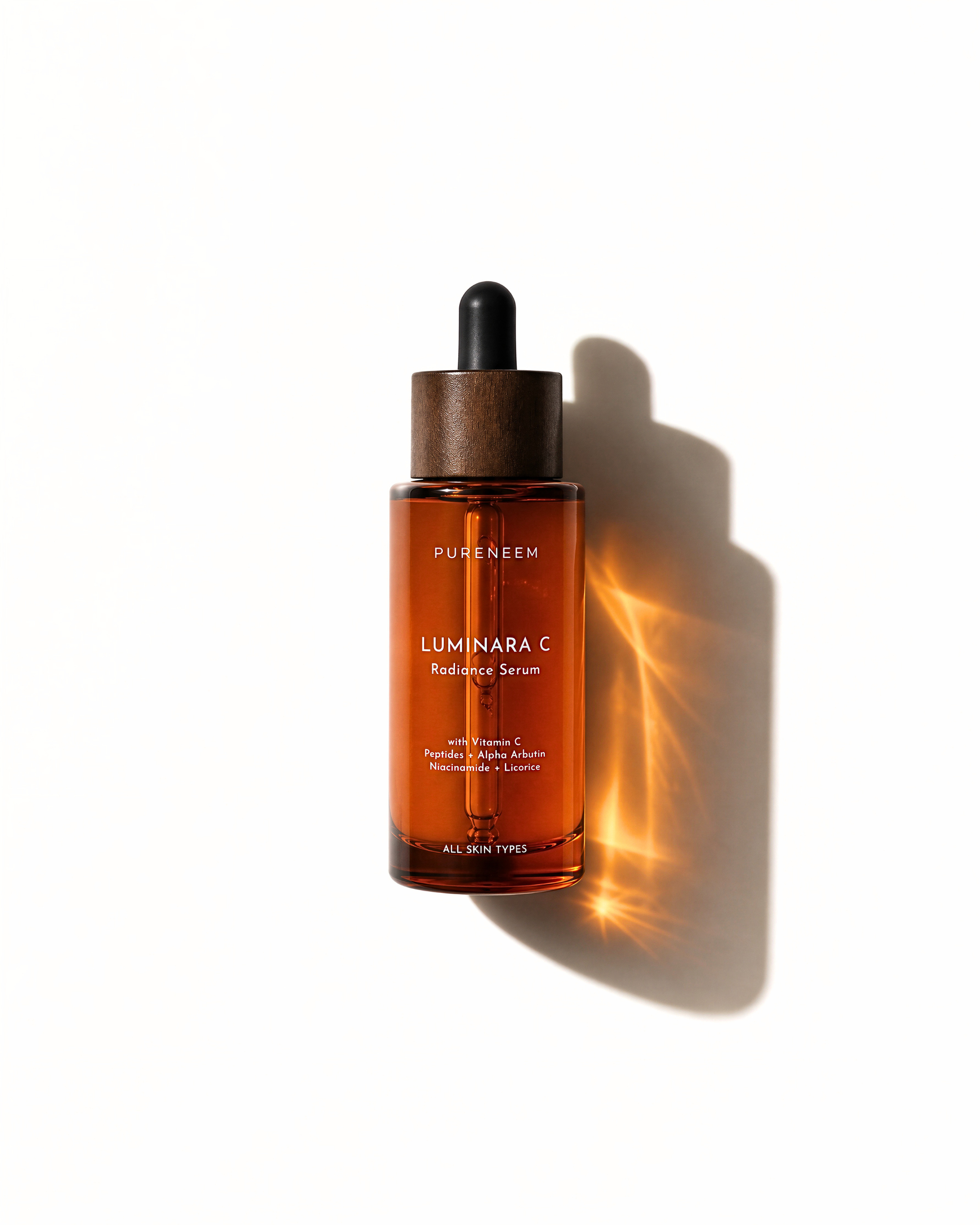
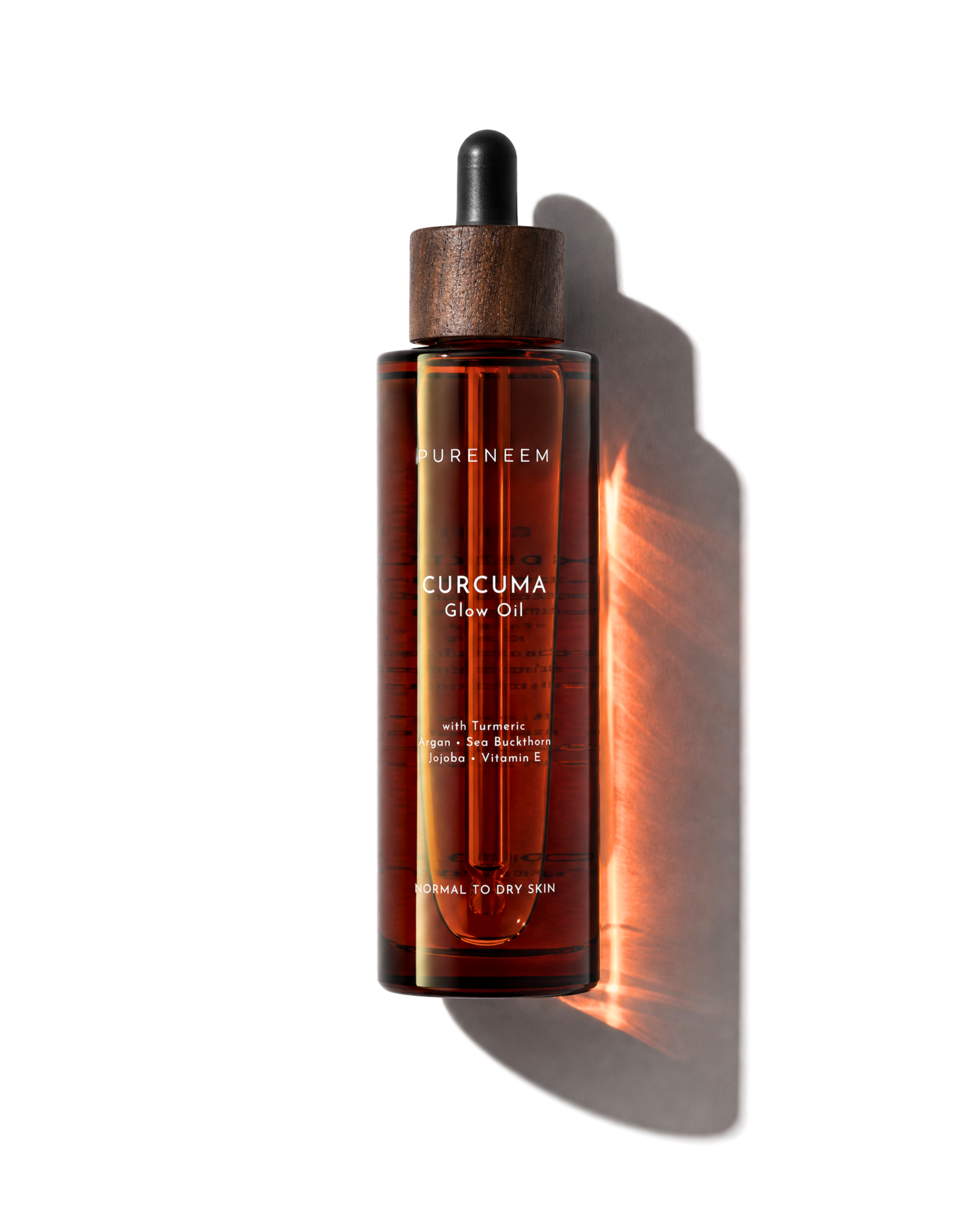
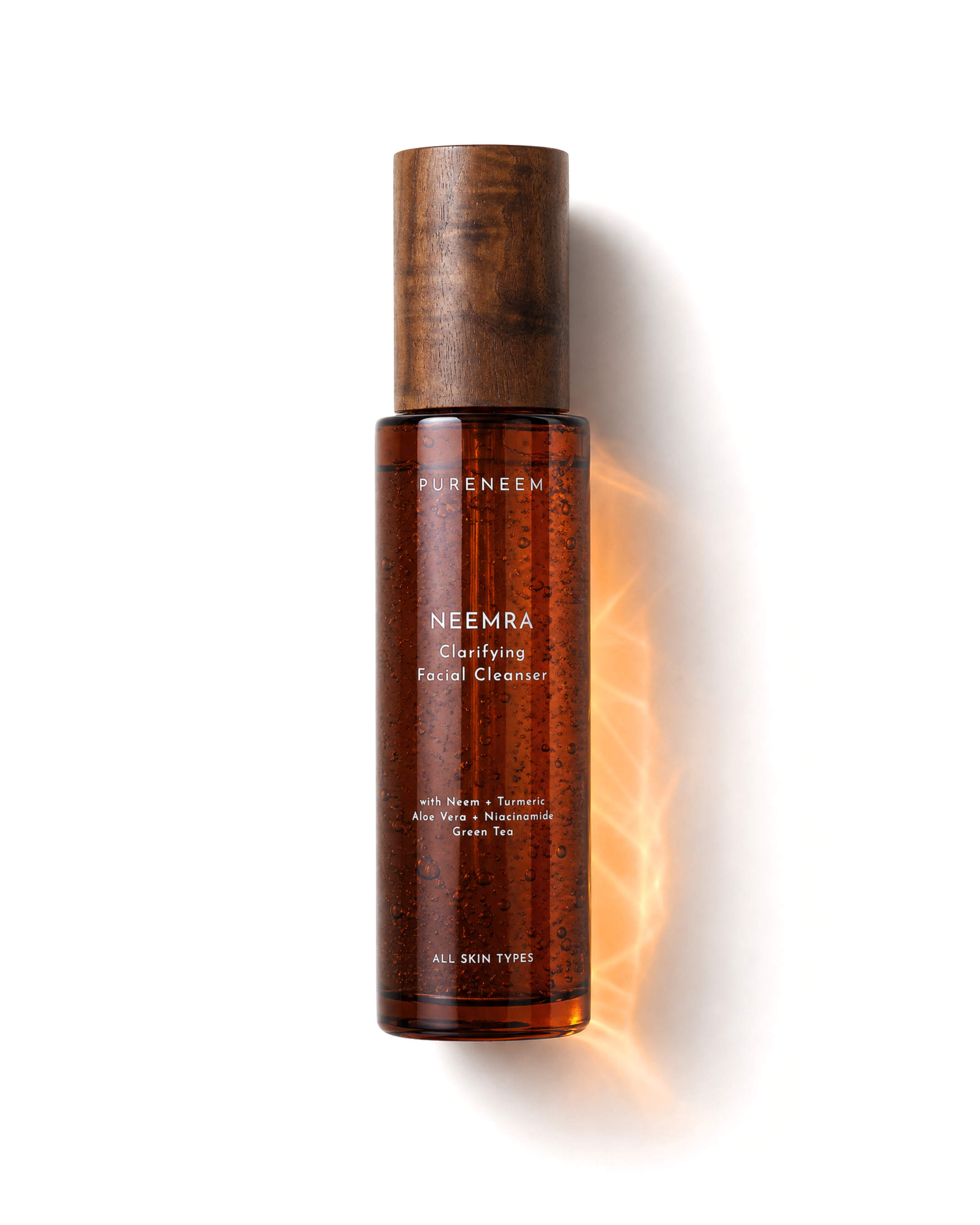
Two formulas where you can see each of the five questions answered on the label itself.
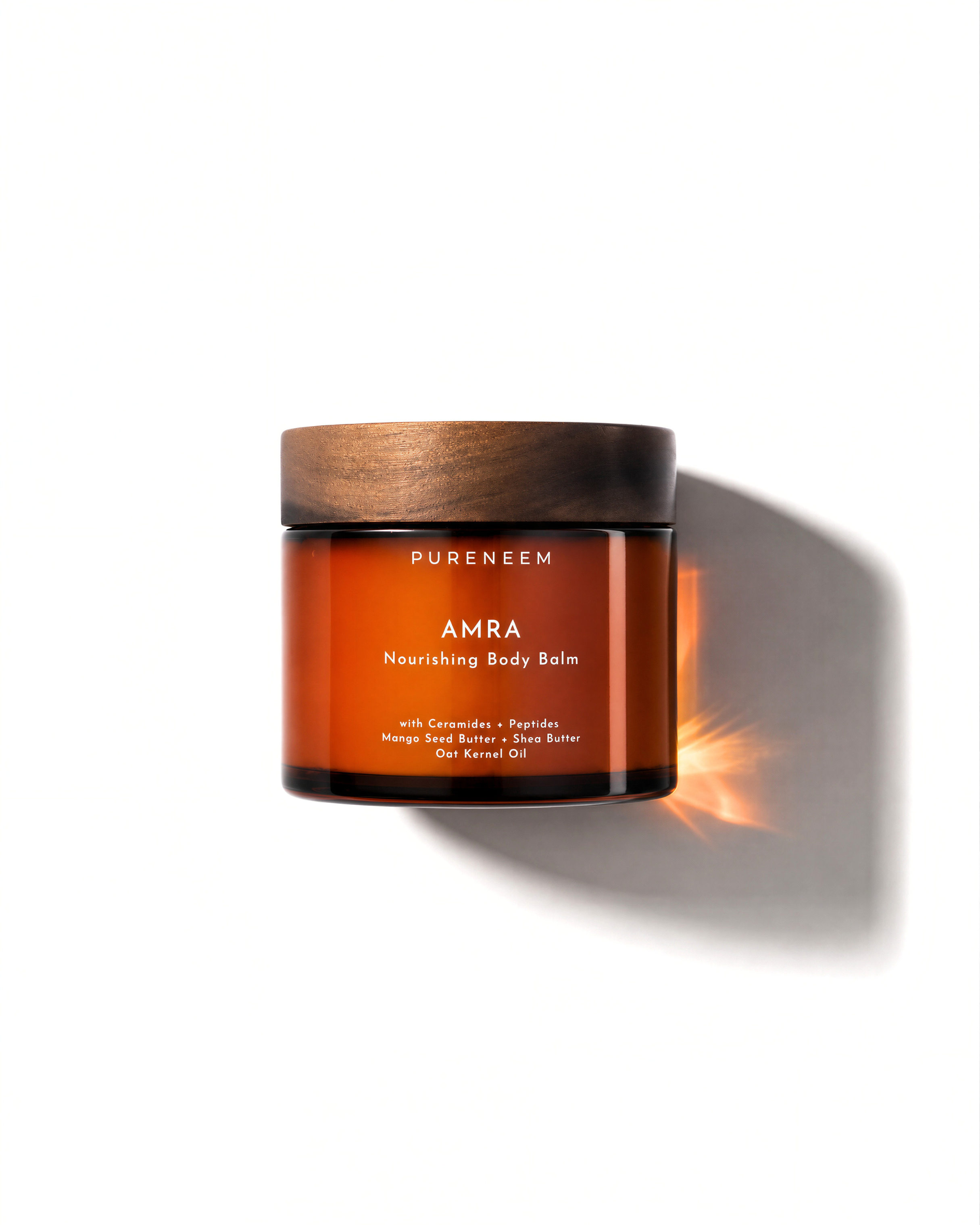
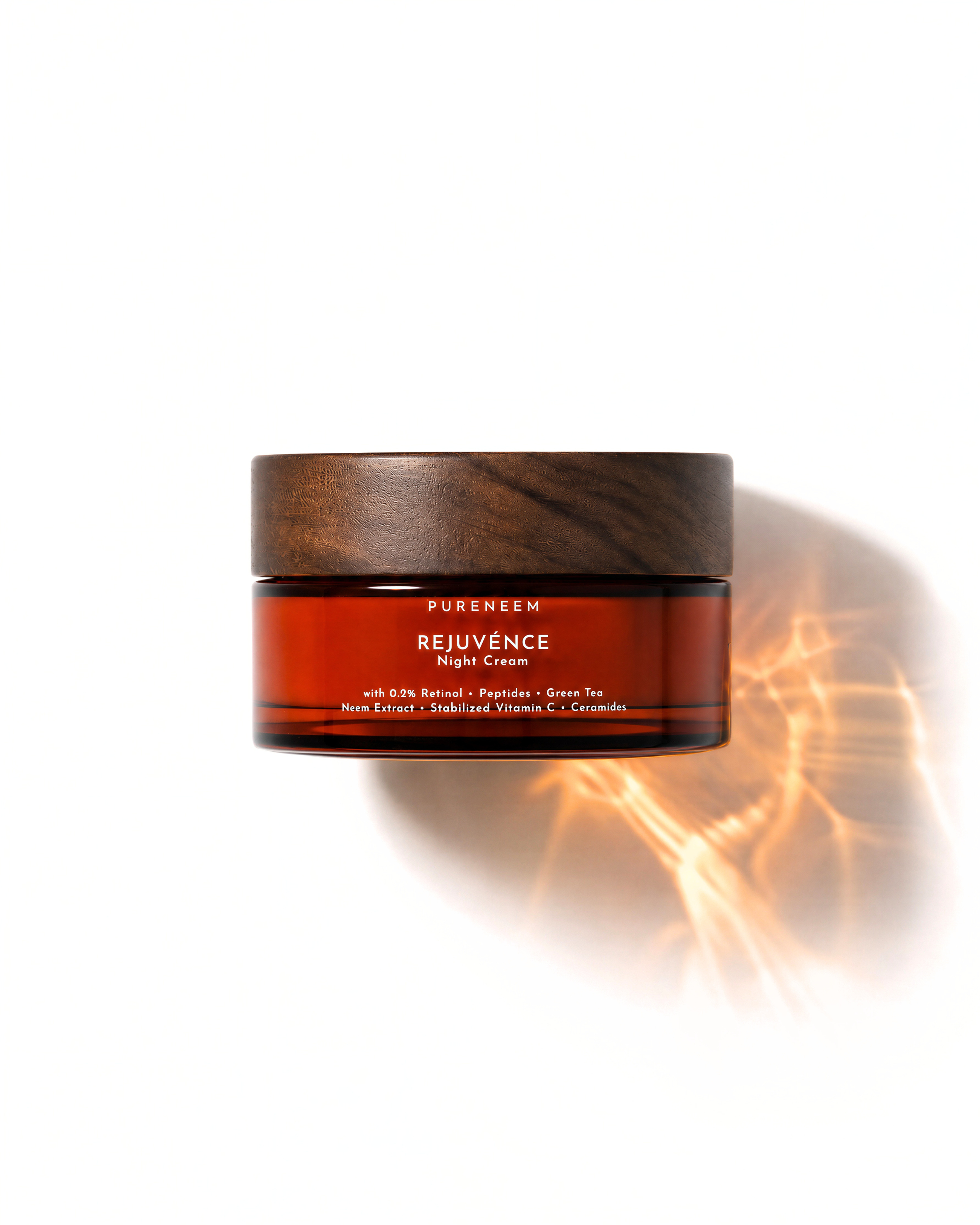
Retinol is the demanding one, so the rest of the formula exists to make it liveable. Ceramides and shea sit alongside it for barrier support, which is why the first fortnight is usually less difficult than people expect.
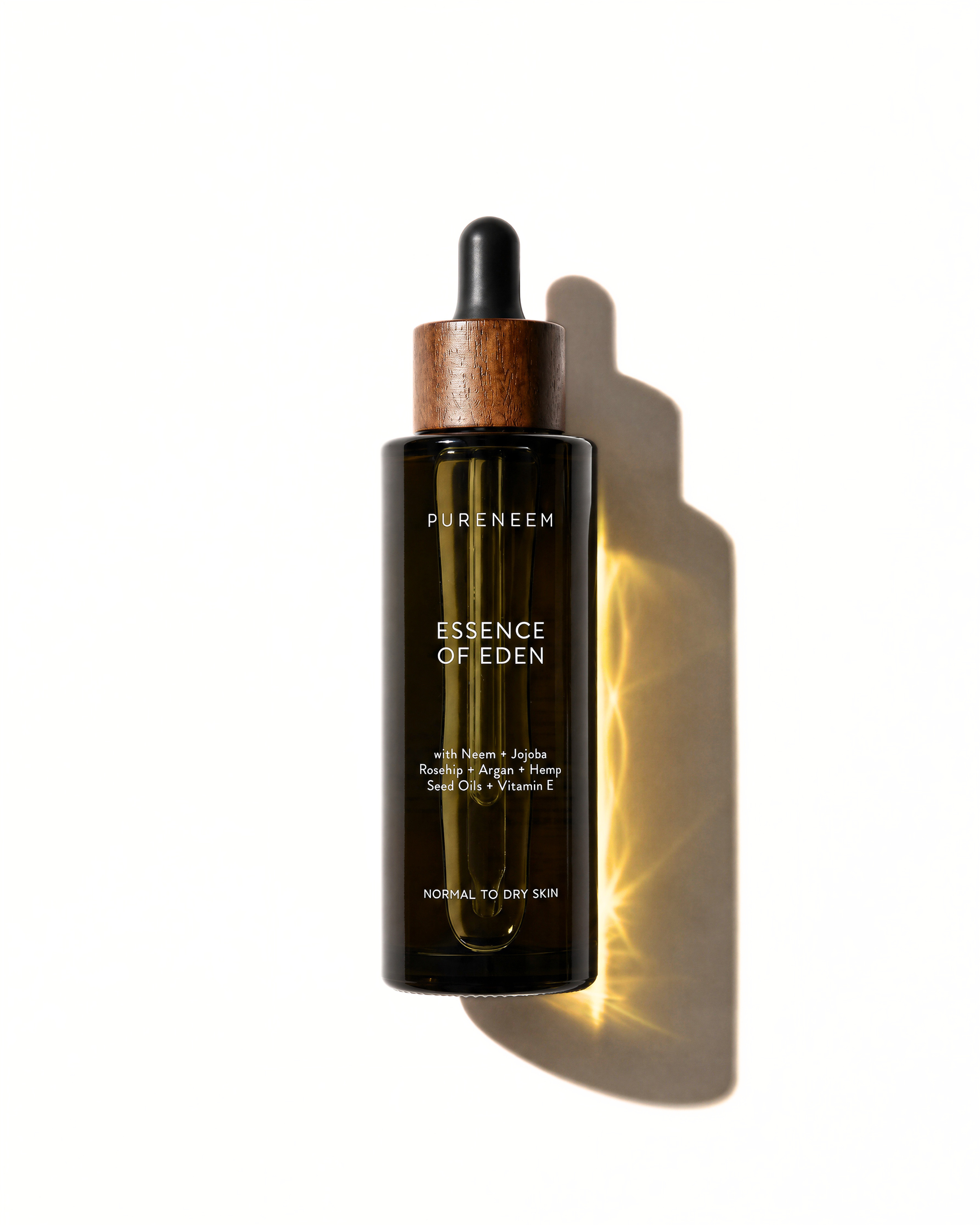
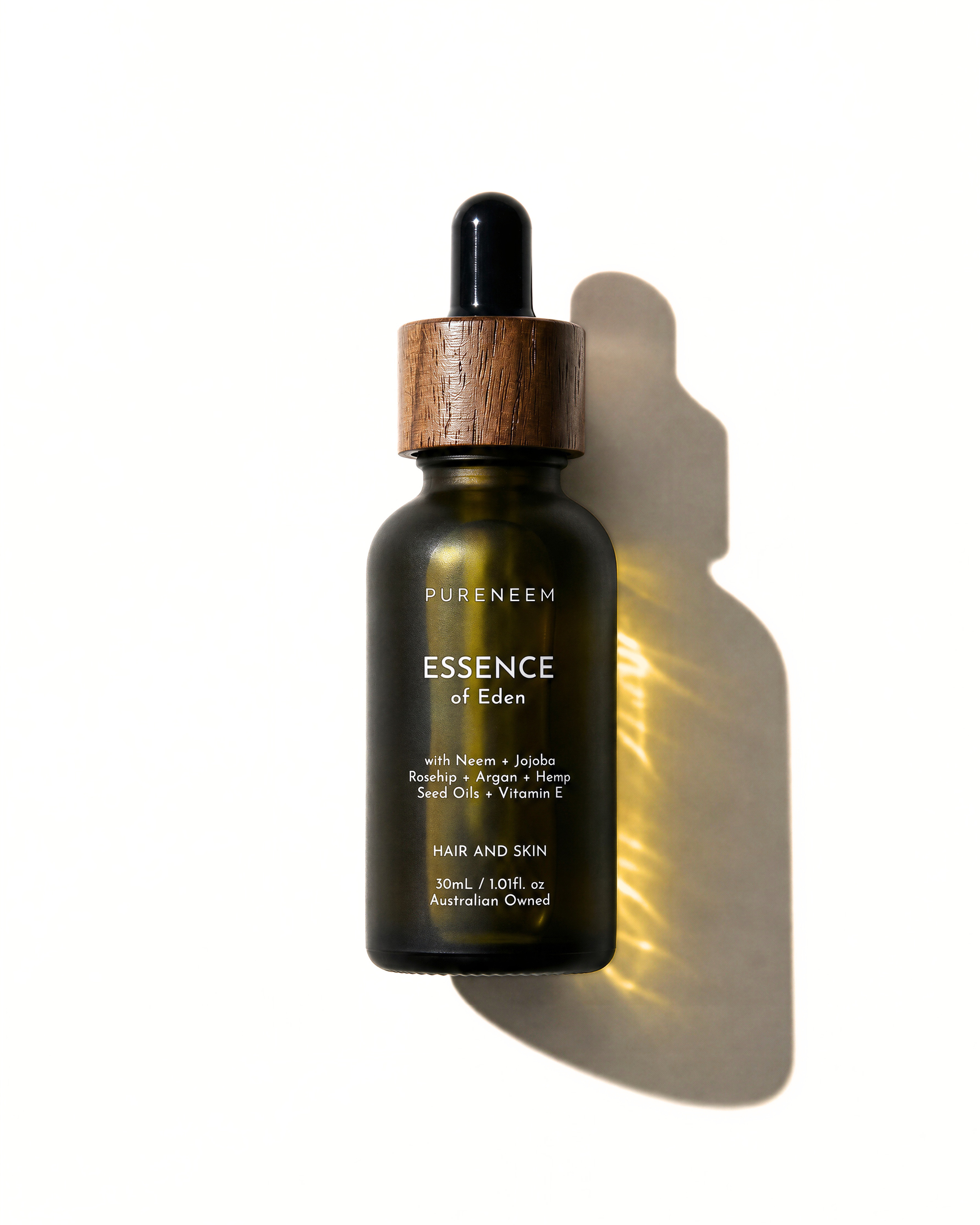
Four hydration mechanisms rather than one, because water behaves differently at different depths. The brief for the texture was simple. Deep hydration, clean finish, no tack under anything worn over it.
The standard applied to retinol
Retinol is the clearest test of this whole approach, because it is the ingredient most often sold on strength alone. Percentage is the least interesting number on the box. What surrounds it decides whether you are still using it in six weeks.
Our retinol guide for beginners works through the ramp, what to expect in the first fortnight, and why a supporting formula matters more than a higher number.
Common questions
Our standard, answered plainly.
What is intelligent beauty?
It is our term for judging a formula on function rather than on what it excludes. Named compounds, published mechanisms, sensible concentrations, stable textures, and a finish good enough that the product gets used daily. Clean is the entry requirement, not the argument.
Is clean beauty actually meaningful?
It is meaningful and incomplete. The term is unregulated, so it describes an intention rather than a specification. Useful as a starting filter. Not sufficient on its own to tell you whether a product will do anything.
How do you know an ingredient is at an effective level?
We work backwards from the concentrations used in published work and from what the supplier specifies for the raw material. Where a level is below that, the ingredient either comes out or we describe it as a supporting ingredient rather than an active.
Why is the range so small?
Because most product ideas do not survive the five questions. A small range is also easier to be honest about, since every formula has to justify its own place rather than filling a gap on a shelf.
Do you use synthetic ingredients?
Yes, where they are the better answer. Stabilised vitamin C derivatives, peptides and niacinamide all sit in the range alongside botanicals. Origin is not the test. Function, stability and tolerability are.
References
- Draelos, Z. D. (2018). The science behind skin care: moisturizers. Journal of Cosmetic Dermatology, 17(2), 138 to 144.
- Lintner, K., and Peschard, O. (2000). Biologically active peptides: from a laboratory bench curiosity to a functional skin care product. International Journal of Cosmetic Science, 22(3), 207 to 218.
- Rawlings, A. V., and Harding, C. R. (2004). Moisturization and skin barrier function. Dermatologic Therapy, 17(s1), 43 to 48.
- Stern, R. S. (2004). Treatment of photoaging. New England Journal of Medicine, 350(15), 1526 to 1534.
Skincare Product Range