

The Ingredient Files
Jojoba, the wax ester that reads like sebum.
Jojoba is not an oil. It is a liquid wax, and its structure is unusually close to what skin makes for itself. That one fact explains the finish, the absorption, and why it turns up in almost everything we formulate.
97%
Share of jojoba that is wax ester rather than triglyceride, which is what makes it unusual
25%
Roughly the share of human sebum that is also wax ester, which is why the two read alike
0
Microplastic left behind by jojoba beads, which break down fully in water
A liquid wax, not an oil.
Jojoba comes from the seed of Simmondsia chinensis, a shrub that grows in the deserts of the American southwest. Almost everything else called a plant oil is a triglyceride. Jojoba is not. It is a wax ester, around 97 per cent of it, and that puts it in a category close to empty.
Human sebum is a mixture, and a quarter of it is wax ester too (Stewart, 1992). So when jojoba goes on skin, skin does not register it as a foreign layer sitting on top. It absorbs quickly, leaves no film, and does not oxidise the way a polyunsaturated seed oil will in an open bottle.
That stability is a practical advantage as much as a sensory one. Jojoba keeps for years without going rancid, which is why formulators reach for it as a carrier when they want the rest of the formula to stay clean.

Weight without the weight.
The complaint people have about facial oils is almost always about finish rather than function. Too shiny, too slow to sink in, and it pills under sunscreen. Jojoba avoids all three because of what it is, not because of how it is marketed.
It sits low on the comedogenicity scale, which makes it usable on congestion prone skin where coconut oil would be a problem. It spreads thin, absorbs in under a minute, and finishes matte enough to layer under anything.
Published work has examined jojoba wax esters in relation to sebum composition and surface lipid behaviour (Butcher and Haugh, 1985). The sensible reading of that literature is that jojoba is the most biocompatible carrier we have, not that it manages the skin's oil for you.

Beads, and why the shape matters.
Hydrogenate jojoba and it sets into small, perfectly round spheres. Those are jojoba beads, and they exist because most physical exfoliants have a geometry problem.
Ground apricot kernel, walnut shell and sugar all have edges. Under pressure those edges drag rather than roll, and on thin or already sensitised skin that shows up as the fine irritation people mistake for a good scrub working. Jojoba beads have no edges at all. They roll, they are evenly sized, and they melt away in warm water instead of persisting as plastic microbeads did (Patel and Desai, 2015).
They pair well with almost everything, including shea butter and the humectants, so an exfoliant built around them does not need to be harsh to be effective.

The closest thing in a bottle to what skin already makes.
Physical exfoliants, ranked by edge.
Every physical exfoliant is a compromise between how much it lifts and how much it drags. Shape decides where each one lands.
| Exfoliant | Shape | What it suits |
|---|---|---|
| Jojoba beads | Smooth spheres, evenly sized, melt in warm water | Face and body, including reactive skin |
| Sugar | Angular, dissolves as you work | Body, short contact, best in an oil base |
| Ground kernel or shell | Irregular and sharp edged | Feet and hands, rarely anywhere else |
| Clay and charcoal | No abrasion, works by taking up surface oil | Oilier skin, weekly rather than daily |
The other thing worth saying about physical exfoliation is that most people do too much of it. Once or twice a week is the range. Skin that looks dull after a scrub is usually skin that has been scrubbed three days running, and the fix is less rather than gentler.
Both forms, doing different work.
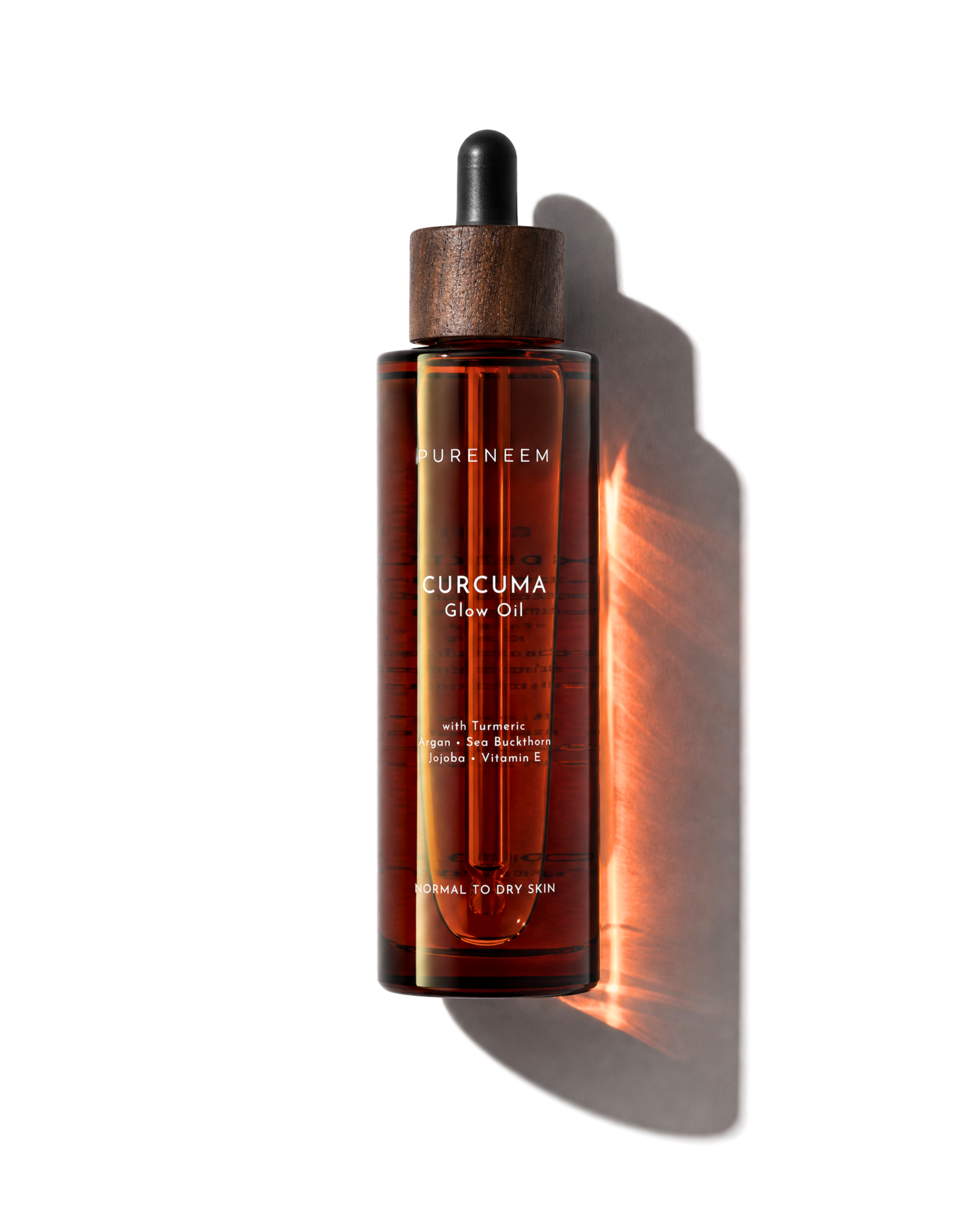
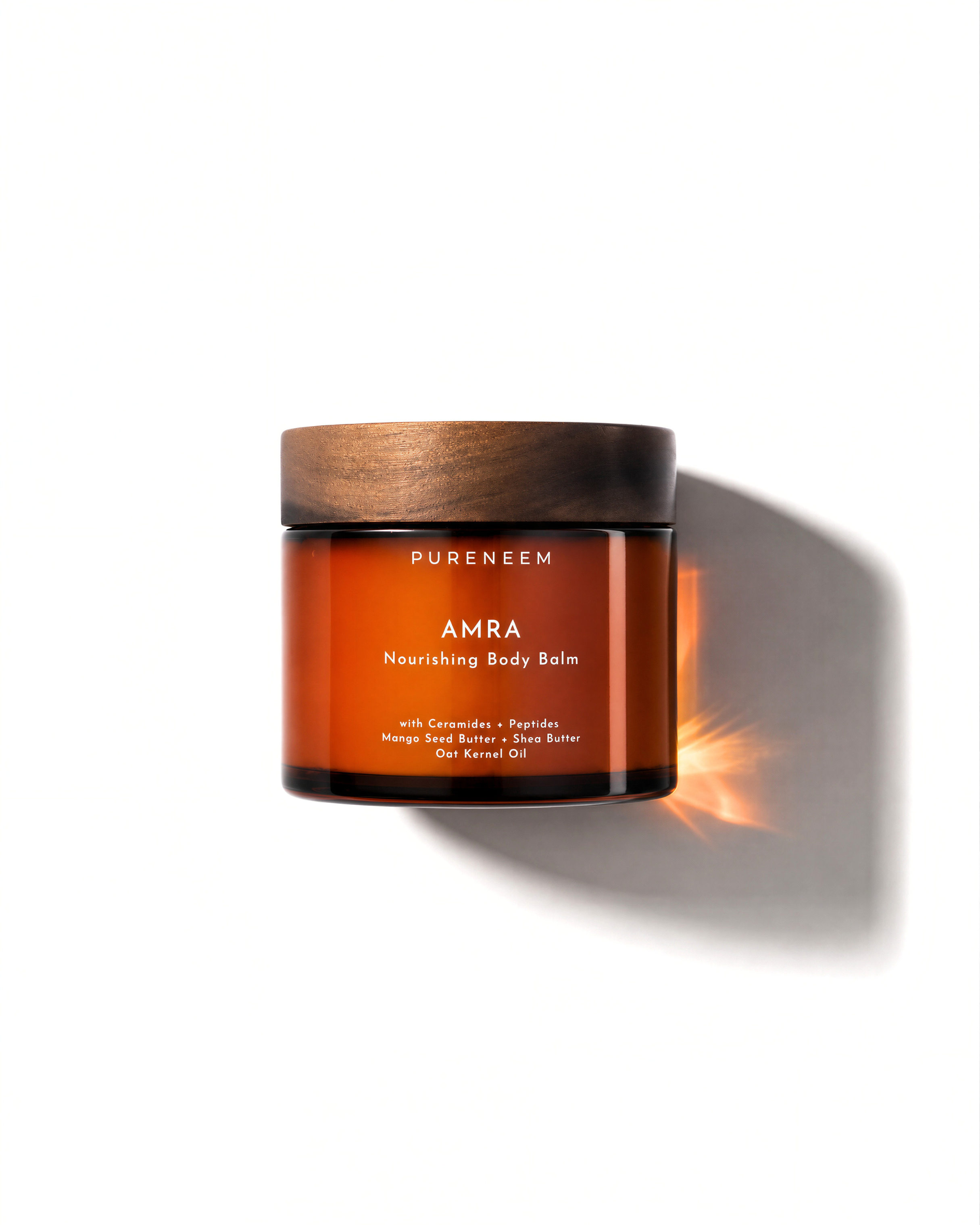
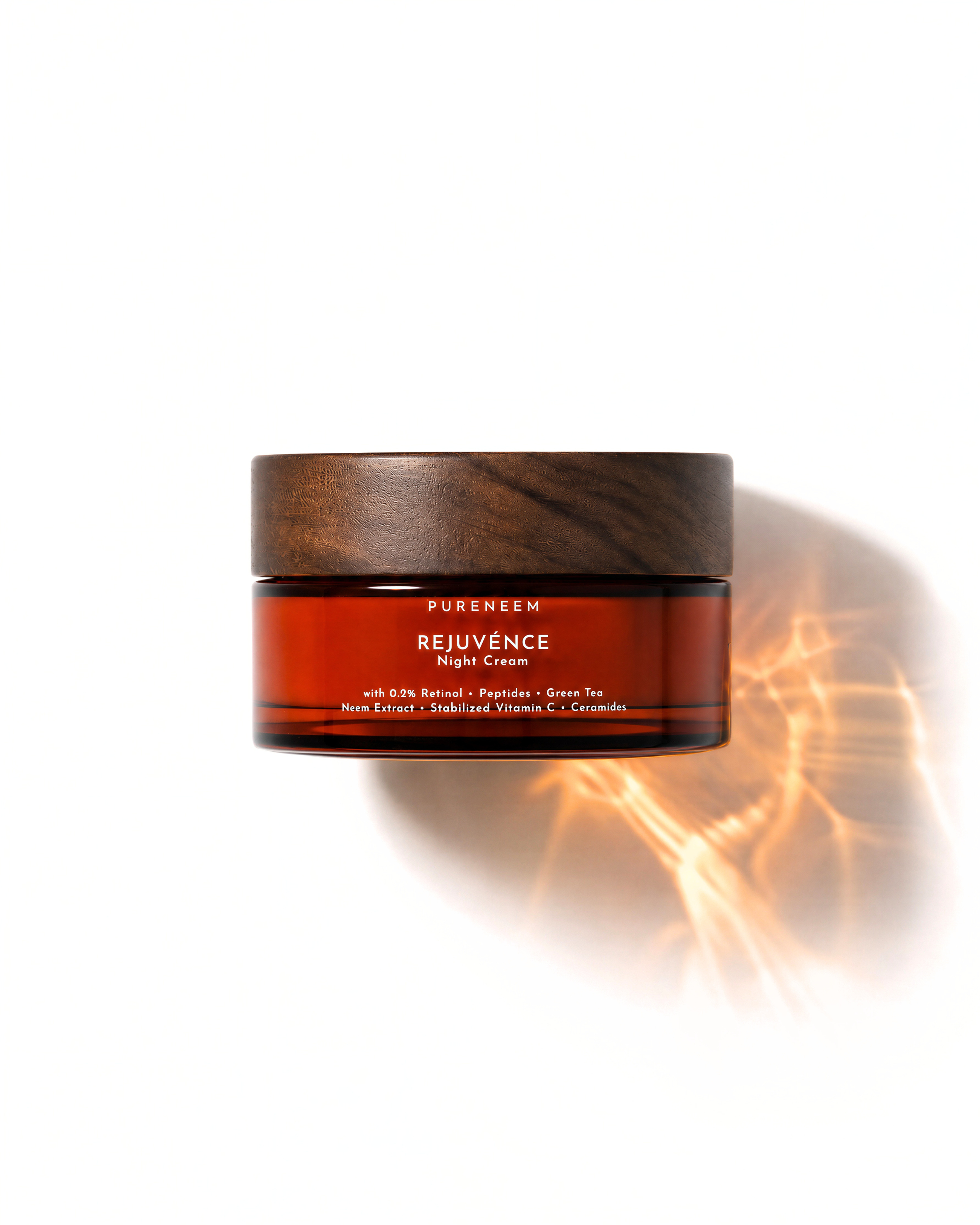
Jojoba oil sits in our Amra Nourishing Body Balm, our Curcuma Glow Oil and our Rejuvence Night Cream. The beads sit in one formula only. These two show the range best.
Jojoba is the carrier here. It gets a rich night formula to absorb without a film, so retinol and peptides sit on skin that still feels comfortable rather than coated. That comfort is most of what keeps people using a night cream.
The beads do the texture work, rolling rather than scratching, while the charcoal and clay handle surface oil. Jojoba oil is in the base as well, which is why it rinses off soft instead of tight.
Jojoba and retinol, in the same routine
The first fortnight of retinol is where most people quit, and it is almost always a comfort problem rather than a tolerance problem. A carrier that absorbs cleanly and a supported barrier make that fortnight considerably less eventful.
Our guide to the best retinol cream for beginners sets out a four week ramp, what to skip while you are on it, and how to tell irritation apart from the normal adjustment.
Common questions
Jojoba, answered plainly.
Is jojoba oil good for oily skin?
It suits oily skin better than most oils. It is light, it absorbs quickly and it sits low on the comedogenicity scale. If an oil has felt like too much before, jojoba is usually the one worth trying next.
Does jojoba oil clog pores?
It is rated low for comedogenicity and is generally well tolerated, including on congestion prone skin. As with any oil, how the whole formula is built matters more than the single ingredient.
Is jojoba oil the same as sebum?
Not the same, but structurally close. Sebum is about a quarter wax ester and jojoba is almost entirely wax ester. That overlap is why it absorbs so readily and leaves so little on the surface.
Are jojoba beads better than a sugar scrub?
On the face, comfortably. Beads are round and evenly sized, so they roll instead of dragging. Sugar has edges and dissolves unevenly, which makes it fine on a shoulder and less suitable on a cheek.
Does jojoba oil go off?
Very slowly. As a wax ester it resists oxidation far better than seed oils high in polyunsaturated fats, so an opened bottle keeps its character for a long time. Store it out of sunlight and that is about all it asks.
References
- Butcher, R. M., and Haugh, C. G. (1985). Jojoba oil and its uses in dermatology. Journal of the Society of Cosmetic Chemists, 36(1), 23 to 32.
- Stewart, M. E. (1992). Sebaceous gland lipids. Seminars in Dermatology, 11(2), 100 to 105.
- Patel, V., and Desai, T. R. (2015). Biodegradable jojoba microspheres: a natural alternative to microplastic exfoliants. International Journal of Cosmetic Science, 37(4), 388 to 395.
- Wisniak, J. (1994). Potential uses of jojoba oil and meal: a review. Industrial Crops and Products, 3(1), 43 to 68.
Nature’s Perfect Match