

The Journal of Intelligent Skincare.
Your destination for elevated skincare insights. Here, ancient Ayurvedic wisdom meets cutting-edge science to explore the ingredients, rituals, and innovations behind truly transformative skincare. Whether you're ingredient-curious or ritual-obsessed — this is where beauty becomes intelligent.
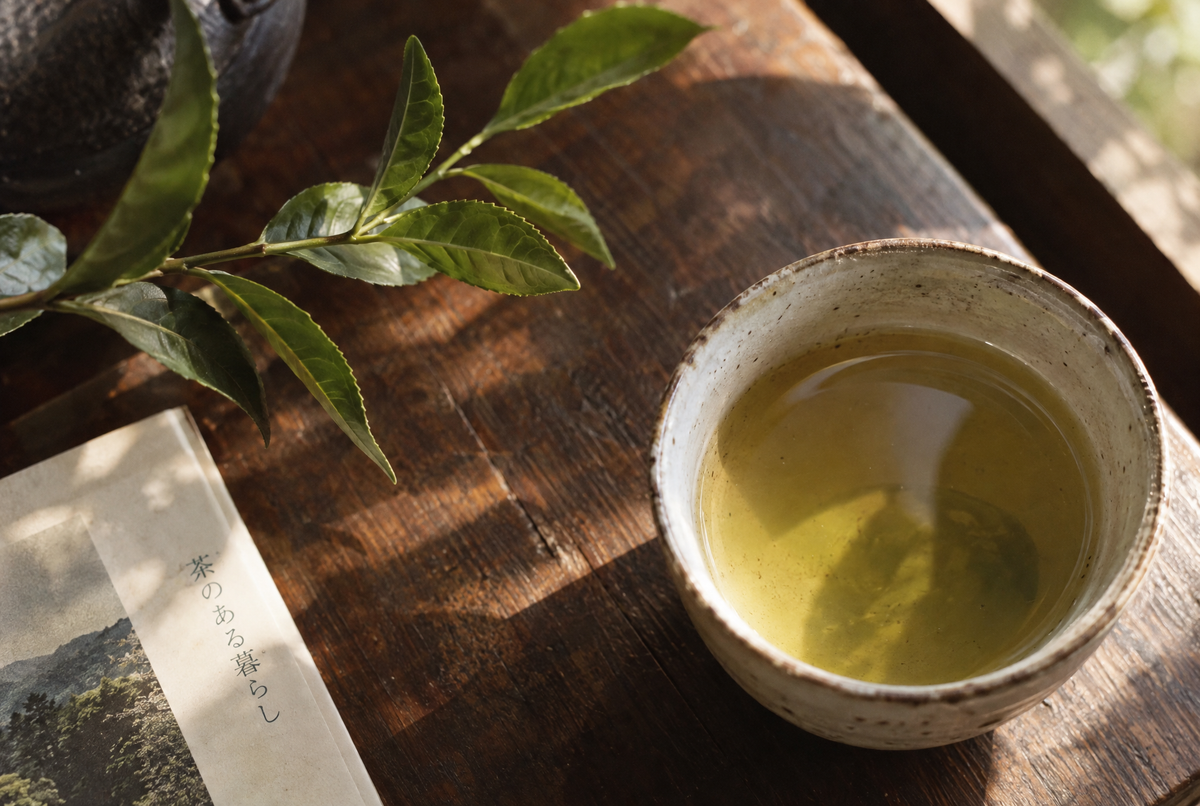
Green tea, and the case for antioxidants
EGCG is one of the best studied plant antioxidants in cosmetic science. What the research examined, and which three formulas carry it.
Read more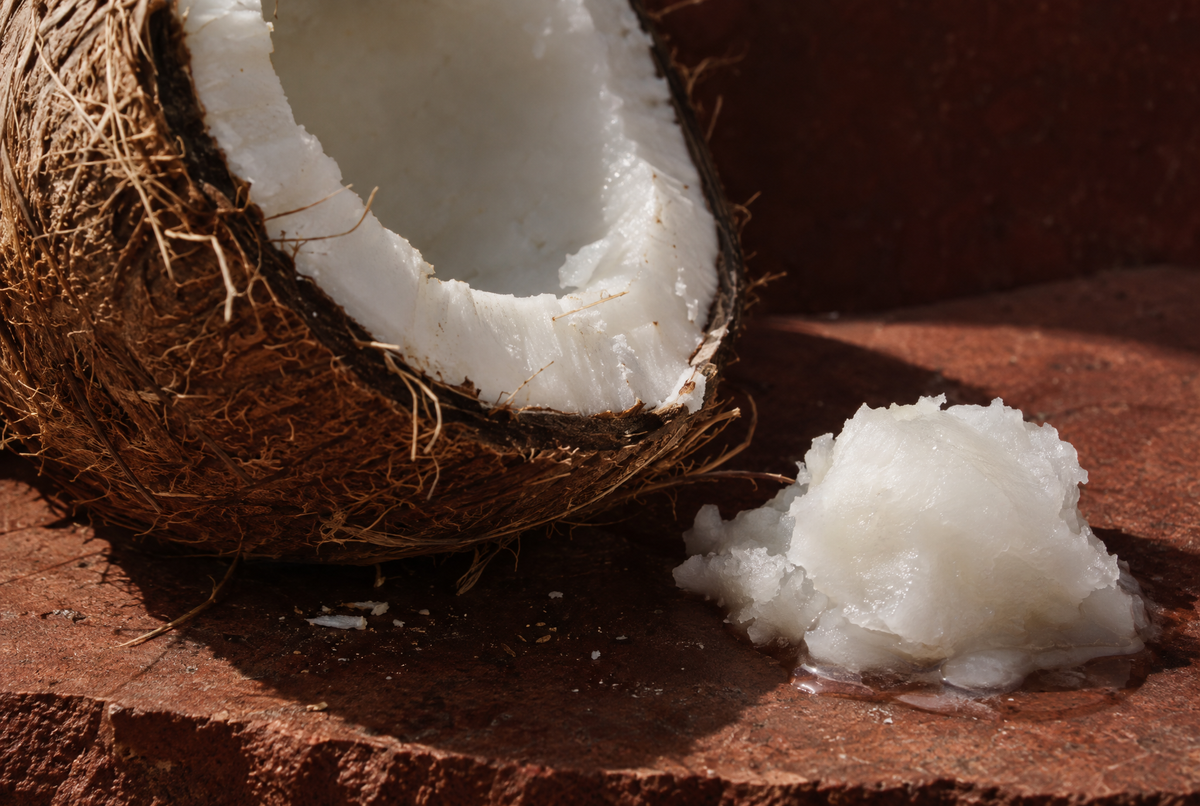
Coconut oil, and where it actually belongs
Coconut oil is excellent on body skin and a gamble on faces. The comedogenicity question answered straight, and how we use it.
Read more
Aloe vera, and what the gel actually does
Aloe is mostly water, and the rest is the interesting part. What the gel contributes to a formula, and what it cannot do on its own.
Read more
Vitamin E, and the company it keeps
Vitamin E rarely works alone. What tocopherol does in a formula, why it is almost always paired, and where it sits in our range.
Read more
Peptides, and what they are actually signalling
Peptides are short chains of amino acids that act as messengers. What the research examined, and the claims that go too far.
Read more
Allantoin, the quiet one in the formula
Allantoin sits in five of our seven formulas doing one quiet job. What it is, where it comes from, and why formulators keep reaching for it.
Read more
Ceramides, and why the barrier comes first
Ceramides are over half the skin's lipid matrix. What they do, how they differ from hyaluronic acid, and why they pair so well with retinol.
Read more
Panthenol, and what pro-vitamin B5 actually does
Panthenol is a humectant and an emollient at once, which is unusual. Why it turns up in almost every comfort-focused formula.
Read more
Niacinamide, the active almost everyone tolerates
Niacinamide is the rare active that suits nearly every skin type. What concentration matters, what it pairs with, and where we use it.
Read more
Hyaluronic acid, the hydration workhorse
Hyaluronic acid draws water in. Without something to hold it there, it leaves again. Molecular weights, layering order, and the humidity catch.
Read more


